At Dr. StemCellsThailand, we are dedicated to advancing the field of regenerative medicine through innovative cellular therapies and stem cell treatments. With over 20 years of experience, our expert team is committed to providing personalized care to patients from around the world, helping them achieve optimal health and vitality. We take pride in our ongoing research and development efforts, ensuring that our patients benefit from the latest advancements in stem cell technology. Our satisfied patients, who come from diverse backgrounds, testify to the transformative impact of our therapies on their lives, and we are here to support you on your journey to wellness.
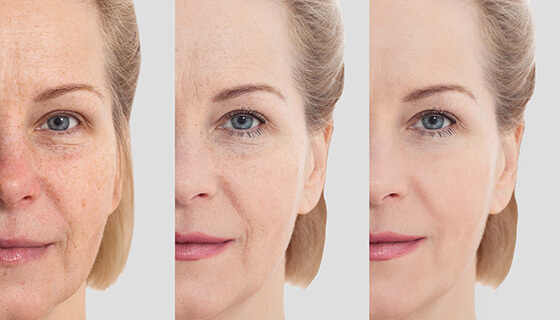
Cellular Therapy and Stem Cells for Facial Rejuvenation represent a transformative leap forward in modern regenerativeaesthetics, redefining how aging and skin restoration are approached at a cellular level. Aging, while a natural process, is marked by the gradual decline of dermal fibroblasts, reduced collagen and elastin synthesis, decreased microcirculation, and loss of extracellular matrix integrity. These biological processes lead to wrinkles, skin laxity, dryness, and volume loss — signs that have long been considered irreversible. Conventionalaesthetic interventions such as dermal fillers, botulinum toxin, laser resurfacing, and surgical facelifts, though effective in achieving temporary cosmetic results, fail to address the underlying cellular decline that drives the aging process.
This introduction explores the extraordinary potential of Cellular Therapy and Stem Cells for Facial Rejuvenation in revitalizing skin tone, elasticity, and texture through cellular regeneration and molecular repair mechanisms. It also examines the latest scientific breakthroughs, clinical advancements, and future directions in this rapidly evolving field of regenerativedermatology.
Despite impressive progress in cosmetic medicine, conventional anti-aging approaches often focus on surface-level correction without reversing the deeper biological deterioration occurring in dermal tissues. Topical treatments and injectables primarily address visible manifestations — fine lines, wrinkles, or volume loss — yet fail to reactivate dormant regenerative pathways or restore fibroblastvitality. As a result, skin continues to age beneath the surface, leading to temporary outcomes that require frequent maintenance. These limitations underscore the urgent demand for regenerative solutions that go beyond aesthetic enhancement to stimulate authentic biological renewal.
The integration of Cellular Therapy and Stem Cells for Facial Rejuvenation signifies a paradigm shift in aesthetic medicine. Imagine a future where age-related deterioration of skin can be reversed, where the face regains youthful suppleness not through artificial fillers, but through cellular regeneration that rewires the biology of aging itself. This frontier of regenerativedermatology merges science, beauty, and biotechnology — offering patients a renewed sense of confidence and vitality that radiates from the inside out.
At DrStemCellsThailand (DRSCT), we are leading this transformation — combining cutting-edge stem cell science with artistic medical precision to unlock a new era of natural and lasting rejuvenation [1-5].
2. Genetic Insights: Personalized DNA Testing for Facial Aging Risk Assessment before Cellular Therapy and Stem Cells for Facial Rejuvenation
Our team of regenerative and genetic medicine experts provides comprehensive genetic and DNA testing to evaluate individual predispositions to accelerated facial aging and skin degeneration prior to treatment. This pioneering diagnostic service allows for a truly personalized regenerative rejuvenation plan that aligns with each patient’s unique genomic profile.
By analyzing key genes related to collagen metabolism (COL1A1, COL3A1), antioxidant defense (SOD2, CAT), elastin synthesis (ELN), inflammatory regulation (IL-6, TNF-α), and melanin production (MC1R), we can identify genetic variations influencing wrinkle formation, pigmentation, and tissue elasticity. This genomic data provides a predictive map of how each individual’s skin ages, metabolizes oxidative stress, and responds to environmental insults such as UV exposure or pollution.
Such insights are invaluable for crafting a customized cellular rejuvenation strategy, ensuring optimal treatment outcomes. Patients with collagen synthesis deficiencies may benefit from mesenchymal stem cell (MSC) therapy enriched with growth factors like TGF-β, IGF-1, and VEGF, while those with heightened inflammatory markers may receive anti-inflammatory cytokine modulation alongside stem cell-based interventions.
This precision medicine approach empowers patients with deep insights into their skin biology, enabling early intervention through antioxidant nutrition, epigenetic modulation, and targeted regenerative protocols that enhance and prolong youthful appearance. By aligning genetic data with personalized Cellular Therapy and Stem Cell Rejuvenation, DrStemCellsThailand (DRSCT) ensures that every treatment not only reverses visible aging but also rewrites the molecular code of the skin toward youth and vitality [1-5].
3. Understanding the Pathophysiology of Facial Aging: A Cellular and Molecular Overview
Facial aging is a complex, multifactorial biological process involving genetic, cellular, environmental, and metabolic mechanisms that collectively alter skin structure and function. The degradation of collagen, elastin, and extracellular matrix (ECM) components, combined with decreased cellular regenerative capacity, leads to visible signs of aging such as wrinkles, volume loss, sagging, and dullness. Below is a detailed breakdown of the underlying pathophysiological mechanisms:
1. Cellular Senescence and Dermal Atrophy
Fibroblast Exhaustion: Aging skin shows a marked reduction in fibroblast proliferation, leading to decreased synthesis of collagen types I and III.
DNA Damage: Chronic UV exposure and oxidative stress induce DNA mutations in keratinocytes and fibroblasts, accelerating cellular aging.
2. Oxidative Stress and Mitochondrial Dysfunction
Reactive Oxygen Species (ROS): Continuous exposure to UV light and pollutants increases ROS production, damaging cellular membranes, proteins, and DNA.
Mitochondrial Decline: Mitochondrial dysfunction leads to reduced ATP production, impairing cellular metabolism and collagen synthesis.
Antioxidant Imbalance: Diminished activity of enzymes such as superoxide dismutase (SOD) and catalase (CAT) allows oxidative stress to persist unchecked.
3. Extracellular Matrix (ECM) Breakdown and Collagen Degradation
Matrix Metalloproteinase (MMP) Activation: Increased MMP activity degrades collagen and elastin fibers, disrupting the dermal scaffolding.
Loss of Glycosaminoglycans (GAGs): Reduced hyaluronic acid synthesis decreases hydration and turgor, leading to dryness and fine lines.
Reduced Growth Factor Signaling: Decline in TGF-β and VEGF signaling hampers dermal remodeling and angiogenesis.
4. Inflammation and Immune Dysregulation (“Inflammaging”)
Cytokine Overproduction: Chronic low-grade inflammation driven by TNF-α, IL-1β, and IL-6 disrupts normal tissue repair.
Immune Cell Infiltration: Macrophages and neutrophils release proteases and ROS, further degrading dermal components.
Stem Cell Exhaustion: Aging depletes the skin’s endogenous stem cell reservoir, reducing the capacity for regeneration.
5. Structural and Vascular Changes
Microcirculation Impairment: Diminished dermal capillary density reduces oxygen and nutrient delivery to skin cells.
Fat Pad Atrophy: Loss of facial subcutaneous adipose tissue contributes to sagging and hollowing.
Skeletal Remodeling: Bone resorption in facial structures alters contour and symmetry, compounding visible aging effects.
Cellular Therapy and Stem Cells for Facial Rejuvenation at DrStemCellsThailand directly target these underlying mechanisms. Mesenchymal stem cells (MSCs) derived from Wharton’s Jelly, umbilical cord, or adipose tissue secrete bioactive factors that stimulate fibroblast proliferation, enhance collagen deposition, promote angiogenesis, and modulate inflammation. Their exosomes deliver microRNAs and cytokines that restore ECM balance, rejuvenate dermal architecture, and normalize pigmentation.
Through the synergistic use of cellular reprogramming and regenerative biology, DRSCT’s approach transcends the boundaries of aesthetics and medicine — offering not merely an anti-aging solution, but a restoration of cellular youth itself [1-5].
4. Causes of Facial Aging: Unraveling the Complexities of Cellular Degeneration
Facial aging is a multifactorial and progressive process driven by intrinsic (genetic and cellular) and extrinsic (environmental and lifestyle-related) factors that collectively lead to dermal atrophy, wrinkling, sagging, and loss of facial volume. Unlike surface-level conditions, the causes of facial aging occur deep within the skin’s biological architecture — where cellular senescence, oxidative stress, inflammation, and microcirculatory decline converge to weaken tissue integrity and impair regenerative capacity. Understanding these mechanisms is essential for appreciating how Cellular Therapy and Stem Cells for Facial Rejuvenation at DrStemCellsThailand (DRSCT)’s Anti-Aging and Regenerative Medicine Center of Thailand uniquely target the root of the aging process.
Cellular Senescence and Reduced Regenerative Capacity
With age, dermal fibroblasts — the skin’s primary collagen- and elastin-producing cells — progressively lose their proliferative potential. Senescent fibroblasts accumulate within the dermis, secreting pro-inflammatory and matrix-degrading factors known as senescence-associated secretory phenotypes (SASPs). This disrupts the balance of extracellular matrix (ECM) turnover, leading to collagen depletion and skin thinning.
Oxidative Stress and Mitochondrial Dysfunction
Chronic exposure to UV radiation, pollution, and metabolic stress accelerates the production of reactive oxygen species (ROS). These unstable molecules cause oxidative damage to DNA, proteins, and cellular membranes, leading to mitochondrial dysfunction and apoptosis of dermal cells. Compromised mitochondria diminish cellular energy (ATP) output, weakening repair mechanisms essential for maintaining youthful skin texture and tone.
Inflammation and Immune Dysregulation (“Inflammaging”)
Low-grade chronic inflammation, termed “inflammaging,” plays a key role in skin degeneration. Dysregulated immune cells release cytokines such as IL-1β, TNF-α, and IL-6, which degrade collagen, impair wound healing, and delay tissue renewal. Over time, this inflammatory microenvironment fosters the breakdown of skin structure and elasticity.
Extracellular Matrix Breakdown and Collagen Loss
Matrix metalloproteinases (MMP-1, MMP-3, and MMP-9) are enzymes that degrade collagen and elastin fibers. Their overactivation, often triggered by UV exposure, disrupts dermal scaffolding and results in fine lines, wrinkles, and skin laxity. Concurrently, reduced synthesis of glycosaminoglycans (GAGs), such as hyaluronic acid, diminishes hydration and skin plumpness.
Microvascular and Structural Decline
With aging, dermal microcirculation becomes compromised, leading to decreased oxygenation and nutrient delivery. Reduced angiogenesis, caused by downregulated VEGF (vascular endothelial growth factor), contributes to dull, lifeless skin. Additionally, subcutaneous fat pad atrophy and bone resorption alter facial contours, enhancing sagging and hollowing.
Genetic and Epigenetic Factors
Genetic predispositions significantly influence the rate and pattern of facial aging. Variants in genes related to collagen metabolism (COL1A1, COL3A1), oxidative defense (SOD2, CAT), and melanin regulation (MC1R) determine susceptibility to wrinkling, pigmentation, and oxidative stress. Moreover, epigenetic alterations — DNA methylation and histone modification induced by lifestyle factors — further accelerate cellular aging.
Given these complex and interrelated mechanisms, Cellular Therapy and Stem Cells for Facial Rejuvenation offer an advanced solution to reverse aging at its biological roots by regenerating dermal cells, restoring ECM integrity, enhancing angiogenesis, and rebalancing inflammatory signaling pathways [5-8].
5. Challenges in Conventional Treatments for Facial Aging: Technical Hurdles and Limitations
Despite advances in cosmetic and dermatologic interventions, traditional anti-aging treatments remain largely superficial, offering temporary improvements without addressing the biological causes of aging. Below are the major challenges faced by conventional therapies in achieving long-lasting facial rejuvenation:
Lack of Cellular-Level Regeneration
Common aesthetic procedures such as dermal fillers, botulinum toxin injections, and laser resurfacing correct external features but do not induce regeneration at the cellular or molecular level. Once the temporary effects fade, patients must repeat treatments, perpetuating dependency on non-curative methods.
Inability to Restore Collagen and Elastin Naturally
Topical retinoids, peptides, and growth factor serums provide partial stimulation of collagen synthesis but cannot restore depleted fibroblast populations or repair damaged ECM architecture. The intrinsic loss of fibroblast activity remains unaddressed.
Declining Skin Stem Cell Reservoir
Endogenous skin stem cells located in the basal epidermis and hair follicle bulge diminish over time. Conventional methods do not replenish this vital regenerative pool, resulting in progressively slower wound healing and poor skin renewal.
Short-Term Aesthetic Results and Long-Term Risks
Procedures such as chemical peels and ablative lasers can temporarily improve surface texture but may also cause inflammation, pigmentation irregularities, or scarring when overused. Their short-lived effects contrast sharply with the durable results possible through cellular regeneration.
Limited Efficacy in Advanced Aging
As aging progresses, cellular senescence, dermal atrophy, and microvascular impairment become too pronounced for surface-level therapies to reverse. Patients often seek invasive options such as facelifts, which correct sagging but not the skin’s cellular vitality.
These challenges highlight the pressing need for Cellular Therapy and Stem Cells for Facial Rejuvenation, which restore function, structure, and radiance through biological renewal rather than cosmetic concealment. At DrStemCellsThailand (DRSCT), regenerative medicine now bridges the gap between temporary beauty and lasting vitality by rejuvenating skin from within [5-8].
6. Breakthroughs in Cellular Therapy and Stem Cells for Facial Rejuvenation: Transformative Results and Promising Outcomes
Recent breakthroughs in regenerative dermatology have validated the profound potential of Cellular Therapy and Stem Cells in reversing signs of facial aging by restoring dermal integrity, stimulating collagen production, and improving vascularization. The following milestones highlight the global evolution of this science — from pioneering discoveries to clinically validated rejuvenation protocols implemented at DrStemCellsThailand (DRSCT)’s Anti-Aging and Regenerative Medicine Center of Thailand.
Special Regenerative Treatment Protocols of Cellular Therapy and Stem Cells for Facial Rejuvenation
Year: 2015 Researcher: Dr. Hiroshi Ishikawa Institution: Keio University School of Medicine, Japan Result: Intradermal MSC therapy enhanced collagen I and III synthesis, improved hydration, and significantly reduced fine lines and UV-induced damage in aging facial skin.
Adipose-Derived Stem Cell (ADSC) Therapy
Year: 2017 Researcher: Dr. Peter Rubin Institution: University of Pittsburgh, USA Result: ADSC-enriched fat grafts demonstrated sustained facial volumization, increased dermal thickness, and angiogenesis without scarring, representing a natural and durable alternative to synthetic fillers.
Exosome-Based Regenerative Therapy
Year: 2020 Researcher: Dr. Jang-Hoon Lee Institution: Seoul National University, South Korea Result: Stem cell-derived exosomes improved fibroblast proliferation and reduced oxidative stress in photoaged skin, leading to visible tightening and rejuvenation with zero downtime.
Bioengineered Skin Scaffolds with Stem Cells
Year: 2023 Researcher: Dr. Alejandro Soto-Gutiérrez Institution: University of Pittsburgh, USA Result: Bioengineered dermal scaffolds seeded with stem cells successfully integrated into aged skin layers, restoring elasticity and microvascular function, demonstrating future possibilities for regenerative facial grafting.
These groundbreaking studies confirm that Cellular Therapy and Stem Cells for Facial Rejuvenation can regenerate skin at the microscopic level — offering natural, long-lasting, and holistic anti-aging outcomes unmatched by traditional methods. At DrStemCellsThailand (DRSCT), these global innovations are customized into personalized regenerative treatment plans that harmonize science, beauty, and precision [5-8].
7. Prominent Figures Advocating Awareness and Regenerative Medicine for Facial Aging
Throughout history, several notable figures have openly discussed their experiences with aging and inspired the global pursuit of natural, regenerative solutions to preserve youthful vitality. Their stories underscore the societal shift toward longevity-based aesthetics and the growing acceptance of Cellular Therapy and Stem Cells for Facial Rejuvenation as the future of beauty and health.
Madonna
Known for her timeless radiance, Madonna has long been associated with advanced regenerative skincare and cutting-edge anti-aging research, inspiring public interest in cellular rejuvenation therapies.
Jennifer Aniston
The actress has openly advocated for science-backed, regenerative wellness and has highlighted the importance of prevention and rejuvenation from within rather than relying solely on surface treatments.
Naomi Campbell
The supermodel’s advocacy for longevity-focused wellness and cellular repair therapies emphasizes the role of internal regeneration in maintaining youthful vitality and natural elegance.
Catherine Zeta-Jones
She has publicly embraced regenerative and stem cell-based skincare approaches as part of her long-term anti-aging regimen, aligning with the philosophy of scientific rejuvenation over cosmetic alteration.
Elon Musk
As a futurist and advocate of human longevity, Musk’s interest in biotechnology and regenerative medicine symbolizes the merging of innovation, health, and youth restoration.
These global icons reflect the growing realization that beauty and youthfulness are not merely aesthetic outcomes, but biological states that can be renewed through regenerative science. At DrStemCellsThailand (DRSCT), our work in Cellular Therapy and Stem Cells for Facial Rejuvenation continues to pioneer this movement, helping patients worldwide experience the art of age reversal through the power of cellular regeneration [5-8].
8. Cellular Players in Facial Aging: Understanding Cutaneous Pathophysiology
Facial aging is a multifactorial biological process involving complex cellular dysfunctions across the skin’s layers—epidermis, dermis, and subcutaneous tissue. Understanding the roles of these key cellular players provides insight into how Cellular Therapy and Stem Cells for Facial Rejuvenation may reverse age-related changes and restore youthful architecture:
Keratinocytes: As the dominant cells of the epidermis, keratinocytes form a protective barrier and regulate hydration. With aging, their proliferative capacity declines, leading to thinning of the epidermis, delayed wound healing, and uneven texture. Stem cell therapy stimulates keratinocyte renewal and accelerates epidermal turnover, restoring smoothness and radiance.
Fibroblasts: The architects of the dermal matrix, fibroblasts synthesize collagen, elastin, and hyaluronic acid. Age, UV exposure, and oxidative stress cause fibroblast senescence, reducing collagen production and promoting wrinkles. Mesenchymal Stem Cells (MSCs) release growth factors such as TGF-β and FGF, rejuvenating fibroblast activity and enhancing dermal elasticity.
Endothelial Cells: Microvascular dysfunction in facial skin contributes to dullness and poor oxygenation. Stem-cell-derived vascular endothelial growth factor (VEGF) promotes angiogenesis, improving circulation, nutrient delivery, and tissue vitality.
Melanocytes: Responsible for pigment production, melanocytes undergo uneven melanin synthesis with age, leading to hyperpigmentation or age spots. Cellular therapy modulates melanogenic signaling, restoring balanced pigmentation and skin tone uniformity.
Adipocytes: Subcutaneous fat loss contributes to facial hollowing and sagging. Adipose-derived stem cells (ADSCs) replenish facial volume by differentiating into new adipocytes and enhancing soft tissue integration.
Mesenchymal Stem Cells (MSCs): MSCs are the central mediators of skin regeneration. Through paracrine signaling, they suppress inflammation, protect against oxidative stress, promote collagen remodeling, and improve overall facial skin quality [11–15].
By targeting these cellular dysfunctions, Cellular Therapy and Stem Cells for Facial Rejuvenation offer a biologically comprehensive approach to reversing aging and restoring a naturally youthful appearance [9-13].
9. Progenitor Stem Cells’ Roles in Cellular Therapy and Stem Cells for Facial Rejuvenation
The integration of Progenitor Stem Cells (PSCs) into facial rejuvenation therapies represents a scientific breakthrough. These cells act as the regenerative building blocks of facial tissues, targeting specific structures to restore balance, volume, and vitality:
Progenitor Stem Cells of Keratinocytes: Accelerate epidermal turnover, refine texture, and repair photodamaged skin.
Progenitor Stem Cells of Fibroblasts: Stimulate dermal matrix regeneration, increasing collagen density and firmness.
Progenitor Stem Cells of Endothelial Cells: Restore microcirculation and promote capillary network rejuvenation.
Progenitor Stem Cells of Melanocytes: Reestablish pigmentation homeostasis and correct discoloration.
Progenitor Stem Cells of Adipocytes: Replenish subcutaneous fullness and improve facial contour.
Progenitor Stem Cells of Anti-Inflammatory Cells: Modulate immune response to minimize post-treatment inflammation and accelerate recovery [9-13].
10. Revolutionizing Aesthetic Medicine: Unleashing the Power of Cellular Therapy and Stem Cells for Facial Rejuvenation with Progenitor Stem Cells
At the Anti-Aging and Regenerative Medicine Center of Thailand, we apply specialized protocols using Progenitor Stem Cells (PSCs) to target the cellular architecture responsible for facial aging:
Keratinocyte PSCs: Enhance epidermal renewal, improving smoothness and brightness.
Fibroblast PSCs: Boost collagen and elastin synthesis, reducing wrinkles and improving resilience.
Endothelial PSCs: Rejuvenate the facial microvasculature, restoring luminosity and vitality.
Melanocyte PSCs: Correct uneven pigmentation and age spots for a radiant complexion.
Adipocyte PSCs: Naturally restore youthful facial contours and harmony.
By harnessing these multi-lineage regenerative powers, Cellular Therapy and Stem Cells for Facial Rejuvenation transcend cosmetic improvements—redefining the biological foundation of youthful skin [9-13].
11. Allogeneic Sources of Cellular Therapy and Stem Cells for Facial Rejuvenation: Regenerative Solutions for Skin and Soft Tissue Aging
Our Facial Rejuvenation Program at DrStemCellsThailand (DRSCT)’s Anti-Aging and Regenerative Medicine Center of Thailand employs ethically sourced, allogeneic stem cell types that provide potent and safe regenerative outcomes:
Bone Marrow-Derived MSCs: Enhance dermal thickness and support fibroblast regeneration.
Adipose-Derived Stem Cells (ADSCs): Replenish facial volume, stimulate local growth factors, and repair UV-damaged tissues.
Umbilical Cord Blood Stem Cells: Contain abundant cytokines and trophic factors to accelerate skin renewal.
Placental-Derived Stem Cells: Provide strong anti-inflammatory and antioxidant benefits for overall skin health.
Wharton’s Jelly-Derived MSCs: Renowned for their robust regenerative and anti-aging properties, promoting elasticity and deep dermal hydration [11–15].
These allogeneic sources ensure consistent, safe, and powerful cellular activity for complete facial restoration—without invasive surgery [9-13].
12. Key Milestones in Cellular Therapy and Stem Cells for Facial Rejuvenation: Advancements in Understanding and Practice
1st—Early Understanding of Facial Aging: Dr. Albert Kligman, 1986 Dr. Kligman first elucidated the biological processes underlying dermal aging, introducing the concept of photoaging and identifying collagen degradation as a primary factor.
2nd—Introduction of Growth Factor-Based Skin Rejuvenation: Dr. Fitzpatrick, 1998 Dr. Fitzpatrick’s research on epidermal growth factor (EGF) revealed how controlled application could stimulate dermal regeneration and repair photoaged skin.
3rd—Emergence of Adipose-Derived Stem Cells in Aesthetics: Dr. Yoshimura, Japan, 2001 Dr. Kotaro Yoshimura pioneered the use of ADSCs in cosmetic medicine, showing that stem-cell-enriched fat grafting improved facial volume and texture [16–18].
4th—MSC-Driven Skin Repair: Dr. Elaine Fuchs, USA, 2008 Dr. Fuchs’ groundbreaking research demonstrated the ability of dermal MSCs to rejuvenate skin by promoting fibroblast proliferation and matrix regeneration.
5th—Clinical Application of iPSCs for Skin Regeneration: Dr. Shinya Yamanaka, Kyoto University, 2006 Dr. Yamanaka’s Nobel-winning iPSC discovery opened doors for personalized skin rejuvenation through reprogramming of autologous cells.
6th—Umbilical-Derived Stem Cells for Anti-Aging: Dr. K. Kang, South Korea, 2016 Dr. Kang’s studies demonstrated that umbilical stem cell infusions improved facial elasticity, tone, and hydration.
7th—Facial Regenerative Medicine Breakthrough: Dr. E. Tsuji, Japan, 2020 Dr. Tsuji’s team engineered functional skin organoids from stem cells, setting the stage for advanced regenerative facial reconstruction and anti-aging therapies [9-13].
13. Optimized Delivery: Dual-Route Administration for Facial Rejuvenation Protocols
Our advanced Cellular Therapy and Stem Cells for Facial Rejuvenation integrates a dual-route administration system to achieve layered biological rejuvenation:
Intradermal Microinjection: Delivers stem cells directly into the dermis to stimulate fibroblasts and regenerate collagen-rich tissue.
Intravenous (IV) Infusion: Promotes systemic rejuvenation by circulating stem cells and exosomes to support microvascular and oxidative balance.
This combination enhances both localized facial repair and whole-body cellular vitality, ensuring long-lasting, radiant results [9-13].
14. Ethical Regeneration: Our Approach to Cellular Therapy and Stem Cells for Facial Rejuvenation
At DrStemCellsThailand (DRSCT)’s Anti-Aging and Regenerative Medicine Center of Thailand, we are committed to ethical innovation in regenerative aesthetics:
Induced Pluripotent Stem Cells (iPSCs): Enable autologous rejuvenation tailored to the patient’s unique cellular profile.
Epidermal Progenitor Cells: Revitalize surface texture and tone while enhancing epidermal hydration.
Fibroblast-Derived Stem Therapy: Reinforces dermal scaffolding and elasticity for structural rejuvenation.
By combining scientific precision, ethical sourcing, and cutting-edge biotechnology, we offer transformative aesthetic regeneration that is biologically authentic, naturally radiant, and medically advanced [9-13].
15. Proactive Management: Preventing Facial Aging with Cellular Therapy and Stem Cells for Facial Rejuvenation
Preventing facial aging requires proactive biological intervention and early regenerative strategies that target the root causes of dermal degeneration. Our advanced protocols integrate the following cellular modalities:
Epidermal Progenitor Cells (EPCs): Stimulate keratinocyte renewal and epidermal turnover, preventing thinning of the skin and maintaining a smooth, radiant surface texture.
Mesenchymal Stem Cells (MSCs): Modulate oxidative stress and inflammatory microenvironments that drive skin aging, restoring collagen balance and cellular vitality.
iPSC-Derived Dermal Cells: Replace senescent fibroblasts with functionally active collagen-producing cells, enhancing elasticity and structural integrity [14-18].
By addressing the cellular and molecular basis of aging through regenerative cell therapies, Cellular Therapy and Stem Cells for Facial Rejuvenation at DrStemCellsThailand provide a revolutionary anti-aging approach that focuses on prevention, not just correction.
16. Timing Matters: Early Cellular Therapy and Stem Cells for Facial Rejuvenation for Optimal Skin Regeneration
Our regenerative dermatology specialists emphasize the importance of early intervention in skin aging. Initiating stem cell therapy before significant collagen loss or dermal atrophy yields substantially improved aesthetic outcomes:
Early regenerative treatment enhances fibroblast proliferation, increasing collagen density and preventing fine-line formation.
Stem cell therapy in early dermal aging activates anti-oxidative enzymes, reduces chronic inflammation, and delays skin laxity.
Patients receiving early intervention display more even skin tone, improved elasticity, and longer-lasting youthfulness compared to those treated after advanced aging sets in [14-18].
We strongly recommend timely enrollment in our Cellular Therapy and Stem Cells for Facial Rejuvenation program to preserve skin quality, prevent premature aging, and optimize natural regenerative potential.
17. Cellular Therapy and Stem Cells for Facial Rejuvenation: Mechanistic and Specific Properties of Stem Cells
Facial aging results from intrinsic (chronological) and extrinsic (photo-induced) factors that alter epidermal, dermal, and subcutaneous cellular functions. Our program integrates multi-mechanistic regenerative approaches that biologically reverse these changes:
1st — Epidermal Regeneration and Skin Renewal
Mesenchymal stem cells (MSCs) and induced pluripotent stem cells (iPSCs) promote keratinocyte differentiation and epidermal thickening. The result is smoother texture, refined pores, and enhanced protection against external damage.
2nd — Collagen Remodeling and Dermal Matrix Restoration
MSCs and fibroblast progenitor cells secrete extracellular matrix proteins and paracrine growth factors (TGF-β, VEGF, PDGF), stimulating collagen synthesis and elastin repair—restoring the skin’s firmness and youthful tension.
3rd — Immunomodulation and Anti-Inflammatory Balance
Stem cells reduce pro-aging cytokines such as IL-6 and TNF-α, while upregulating IL-10 and TGF-β, mitigating chronic inflammation, redness, and oxidative stress—key drivers of visible aging.
4th — Mitochondrial Support and Oxidative Damage Reduction
Through mitochondrial transfer, stem cells restore energy production and DNA stability in aging skin cells, significantly enhancing dermal vitality and resistance to photoaging.
5th — Microvascular Repair and Cutaneous Blood Flow Enhancement
Endothelial progenitor cells (EPCs) promote angiogenesis and capillary network repair, increasing oxygenation, hydration, and nutrient delivery to skin tissues [14-18].
By combining these regenerative properties, our Cellular Therapy and Stem Cells for Facial Rejuvenation program goes beyond aesthetic correction—offering a scientifically grounded rejuvenation strategy that rebuilds youth from the cellular level.
18. Understanding Facial Aging: The Five Stages of Progressive Skin Degeneration
Facial aging progresses through identifiable biological stages, each reflecting specific cellular dysfunction. Early cellular intervention can significantly slow or reverse this cascade.
Stage 1: Cellular Fatigue (Ages 25–30)
Mild decline in keratinocyte proliferation and reduced fibroblast activity. Cellular therapy reactivates stem cell niches, restoring early dermal resilience and glow.
Stage 2: Structural Deterioration (Ages 30–40)
Visible fine lines and reduced elasticity due to collagen breakdown. MSCs and fibroblast progenitors enhance collagen synthesis and prevent further tissue laxity.
Stage 3: Dermal Atrophy and Pigmentation Irregularities (Ages 40–50)
Uneven pigmentation, dull tone, and volume loss begin. Stem cell therapy improves melanocyte regulation and restores even coloration and hydration.
Stage 4: Advanced Wrinkling and Volume Deflation (Ages 50–60)
Loss of subcutaneous fat and deep structural folds. iPSC-derived adipocytes and ADSCs restore soft tissue fullness and redefine facial contours.
Stage 5: Cellular Senescence and Structural Collapse (Ages 60+)
Each stage represents an opportunity for targeted regenerative intervention—making Cellular Therapy and Stem Cells the most advanced solution for personalized age reversal.
19. Cellular Therapy and Stem Cells for Facial Rejuvenation: Impact and Outcomes Across Stages
Stage
Conventional Treatment
Cellular Therapy and Stem Cells Approach
Stage 1: Cellular Fatigue
Topical antioxidants and creams
MSCs stimulate collagen and elastin precursors, restoring radiance and cell vitality [10–12].
Stage 2: Structural Deterioration
Laser resurfacing and peels
Cellular therapy induces fibroblast regeneration and reduces photodamage.
Stage 3: Pigmentation & Atrophy
Chemical peels or IPL
Stem-cell-driven melanocyte regulation corrects pigmentation and hydrates the dermis.
Stage 4: Wrinkling & Deflation
Dermal fillers or fat grafting
Adipose-derived stem cells regenerate soft tissue and improve elasticity.
By tailoring cellular interventions to each stage of aging, DrStemCellsThailand’s Facial Rejuvenation Program offers visible, sustained, and biologically authentic results—far surpassing conventional cosmetic procedures [14-18].
20. Revolutionizing Anti-Aging Medicine with Cellular Therapy and Stem Cells for Facial Rejuvenation
Personalized Stem Cell Protocols: Customized according to individual skin age, oxidative profile, and dermal density.
Multi-Route Delivery: Includes microinjections, IV infusions, and exosome-based topical integration for layered regenerative effect.
Long-Term Dermoprotection: Continuous collagen synthesis, antioxidative protection, and improved cellular communication for sustained skin youth [14-18].
Through advanced regenerative medicine, we redefine the future of anti-aging aesthetics—achieving deep biological restoration instead of superficial improvement.
21. Allogeneic Cellular Therapy and Stem Cells for Facial Rejuvenation: Why Our Specialists Prefer It
Enhanced Potency: Allogeneic MSCs from young, healthy donors exhibit higher regenerative potential, accelerating dermal repair and boosting collagen remodeling.
Non-Invasive and Painless: Eliminates the need for fat or bone marrow harvesting, ensuring patient comfort and safety.
Superior Anti-Inflammatory Effects: MSCs and epidermal progenitor cells suppress inflammatory cytokines responsible for redness and photoaging.
Standardized and Reliable: Advanced laboratory protocols ensure batch consistency, purity, and predictable rejuvenation outcomes.
Immediate Availability: Readily prepared allogeneic cells allow immediate facial rejuvenation for global patients seeking quick, effective, and natural anti-aging interventions [14-18].
By utilizing allogeneic cellular sources, DrStemCellsThailand’s Anti-Aging and Regenerative Medicine Center of Thailand offers a new paradigm in facial rejuvenation—uniting ethics, efficacy, and cutting-edge biotechnology for timeless beauty and regenerative health [14-18].
22. Exploring the Sources of Our Allogeneic Cellular Therapy and Stem Cells for Facial Rejuvenation
Our allogeneic Cellular Therapy and Stem Cells for Facial Rejuvenation integrates ethically sourced, high-potency regenerative cells designed to restore dermal structure, improve cellular vitality, and reverse visible signs of facial aging. These allogeneic cell types provide the foundation for safe, effective, and scientifically advanced skin regeneration:
1. Umbilical Cord-Derived MSCs (UC-MSCs): Highly proliferative and immunomodulatory, UC-MSCs are rich in cytokines and exosomes that rejuvenate aged skin cells, stimulate fibroblast activity, and enhance collagen and elastin synthesis. They improve skin tone, firmness, and hydration while reducing inflammation-induced aging.
2. Wharton’s Jelly-Derived MSCs (WJ-MSCs): Renowned for their superior regenerative capacity, WJ-MSCs possess strong antioxidant, anti-fibrotic, and immunosuppressive effects. They remodel the extracellular matrix (ECM), smooth wrinkles, and promote dermal elasticity, counteracting structural degradation that accompanies aging.
3. Placental-Derived Stem Cells (PLSCs): Rich in epidermal growth factors (EGFs), fibroblast growth factors (FGFs), and vascular endothelial growth factors (VEGFs), PLSCs enhance microcirculation, promote angiogenesis in dermal tissues, and accelerate wound healing and pigment balance. These properties restore youthful radiance and tissue vitality.
4. Amniotic Fluid Stem Cells (AFSCs): Amniotic fluid–derived cells secrete paracrine factors that activate fibroblast proliferation, increase hyaluronic acid content, and rejuvenate dermal progenitor cell populations. They also provide anti-inflammatory and immune-balancing benefits, supporting long-term facial rejuvenation.
5. Dermal Progenitor Cells (DPCs): Specialized progenitor cells differentiate directly into keratinocytes and fibroblasts—key structural components of the skin—restoring dermal density and improving the skin’s barrier function, texture, and hydration.
By incorporating these diverse allogeneic stem cell sources, DrStemCellsThailand’s regenerative aesthetic protocols maximize skin rejuvenation outcomes, ensuring minimal immune reaction and optimal biological compatibility for every patient [19-21].
23. Ensuring Safety and Quality: Our Regenerative Medicine Lab’s Commitment to Excellence in Cellular Therapy and Stem Cells for Facial Rejuvenation
Our regenerative medicine laboratory operates under internationally recognized medical standards to guarantee patient safety and optimal rejuvenation outcomes:
Regulatory Compliance and Certification: Our facility is Thai FDA-registered and adheres to Good Manufacturing Practice (GMP) and Good Laboratory Practice (GLP) certifications, ensuring sterility, traceability, and cell viability throughout every stage of production.
State-of-the-Art Quality Control: Operating in ISO4 and Class 10 cleanroom environments, we utilize advanced flow cytometry and genetic stability assays to confirm stem cell purity, potency, and differentiation potential before administration.
Scientific Validation and Clinical Evidence: Our protocols are supported by peer-reviewed clinical data demonstrating significant skin regeneration, improved dermal elasticity, and enhanced collagen density following MSC and progenitor cell administration.
Personalized Regenerative Protocols: Each facial rejuvenation plan is tailored to the patient’s chronological and biological skin age, level of photoaging, and specific aesthetic goals—ensuring targeted delivery and measurable outcomes.
Ethical and Sustainable Sourcing: All stem cells are collected through non-invasive, ethically approved donations from screened donors, promoting sustainable, cruelty-free regenerative science.
Through these rigorous scientific and ethical frameworks, our regenerative medicine laboratory has positioned itself as a global leader in Cellular Therapy and Stem Cells for Facial Rejuvenation, merging aesthetic artistry with biological restoration [19-21].
24. Advancing Facial Rejuvenation Outcomes with Our Cutting-Edge Cellular Therapy and Stem Cells for Facial Rejuvenation
Clinical outcomes in regenerative facial therapy are evaluated through both quantitative and qualitative assessments, including skin elasticity index, collagen density via high-frequency ultrasound, hydration profiles, and dermatological scoring of wrinkles and pigmentation. Our Cellular Therapy program has demonstrated:
1. Restoration of Dermal Architecture: MSCs and progenitor stem cells remodel the extracellular matrix, increasing type I and III collagen production and restoring structural integrity to aged skin.
2. Enhanced Cellular Regeneration: Dermal progenitor cells and UC–MSCs stimulate fibroblast activity, accelerate cell turnover, and rejuvenate epidermal stem cell niches responsible for healthy, radiant skin.
4. Improved Microvascular Perfusion and Radiance: Through angiogenicgrowth factors, stem cells promote capillary regeneration, improving nutrient delivery and oxygenation to the skin, resulting in natural luminosity and even tone.
5. Patient-Reported Aesthetic Improvements: Following our protocols, patients report significant improvements in elasticity, hydration, pore size, and fine lines within 3–6 weeks post-treatment, with results that continue to evolve over months.
By harnessing cellular regenerative intelligence, Cellular Therapy and Stem Cells for Facial Rejuvenation offer an advanced, evidence-based aesthetic transformation—bridging anti-aging science and natural facial restoration [19-21].
25. Ensuring Patient Safety: Criteria for Acceptance into Our Specialized Facial Rejuvenation Protocols
Our facial rejuvenation programs are designed for safety, efficacy, and personalized results. Each international patient undergoes a meticulous screening and consultation process. Candidates for Cellular Therapy and Stem Cells for Facial Rejuvenation should:
Be free from active systemic infections or uncontrolled autoimmune diseases.
Abstain from smoking and excessive alcohol consumption at least 2 weeks before and after treatment to optimize stem cell function.
By maintaining these selection standards, our medical team ensures that each patient achieves maximum aesthetic benefit and long-term cellular rejuvenation [19-21].
26. Special Considerations for Advanced Photoaged Skin and Complex Aesthetic Cases
For patients exhibiting advanced signs of photoaging, facial sagging, or dermal fibrosis, specialized treatment adjustments are applied. Candidates must submit comprehensive medical and dermatological evaluations, including:
3D Skin Analysis: To assess elasticity, pigmentation, and hydration at microstructural levels.
Histological Skin Evaluation (optional): For quantifying dermal collagen and elastin content.
Metabolic and Hormonal Testing: To identify systemic factors influencing skin aging (e.g., thyroid imbalance, oxidative stress).
Lifestyle and Nutritional Assessment: Ensuring optimal micronutrient balance for cellular metabolism.
By combining diagnostic precision with regenerative personalization, our experts tailor each facial rejuvenation protocol to revitalize aging skin at its cellular core—not merely mask surface imperfections [19-21].
27. Rigorous Qualification Process for International Patients Seeking Cellular Therapy and Stem Cells for Facial Rejuvenation
Every international patient is evaluated by our regenerativedermatology and cellular therapy specialists through a thorough qualification process:
Facial Imaging and Skin Mapping (for treatment planning)
Contraindication Screening (to ensure safety and efficacy)
Only patients with healthy immune function and realistic rejuvenation goals are accepted to ensure optimal biological response and lasting aesthetic enhancement [19-21].
28. Consultation and Personalized Treatment Planning for International Patients
Following approval, each patient receives an individualized consultation outlining their full treatment roadmap, including:
Type and dosage of stem cells (typically 20–60 million UC–MSCs or WJ-MSCs)
Post-Treatment Skin Optimization: Including antioxidant supplementation and collagen synthesis boosters.
Treatment costs range between USD 12,000–25,000, depending on desired results, stem cell sources, and adjunctive procedures. Each protocol is designed to restore youth, vitality, and radiance from within, ensuring a truly holistic anti-aging transformation [19-21].