Reactive arthritis (RA)
Reactive arthritis is an inflammatory arthritis that develops as a reaction to an infection in another part of the body, commonly the intestines, genitals, or urinary tract. It is sometimes referred
Read More
At Dr. StemCellsThailand, we are dedicated to advancing the field of regenerative medicine through innovative cellular therapies and stem cell treatments. With over 20 years of experience, our expert team is committed to providing personalized care to patients from around the world, helping them achieve optimal health and vitality. We take pride in our ongoing research and development efforts, ensuring that our patients benefit from the latest advancements in stem cell technology. Our satisfied patients, who come from diverse backgrounds, testify to the transformative impact of our therapies on their lives, and we are here to support you on your journey to wellness.
| Mon - Fri: | 8:00 am - 7:00 pm |
| Saturday: | 9:00 am - 7:00 pm |
| Sunday: | 9:00 am - 7:00 pm |







Reactive arthritis is an inflammatory arthritis that develops as a reaction to an infection in another part of the body, commonly the intestines, genitals, or urinary tract. It is sometimes referred
Read More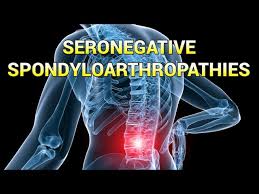
Spondyloarthropathies are a group of related inflammatory rheumatic diseases primarily affecting the spine and the sacroiliac joints (where the spine meets the pelvis), but they can also involve peripheral joints, entheses
Read More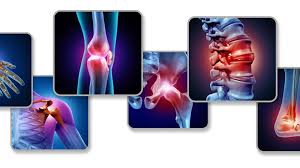
Rheumatology is a branch of medicine dedicated to the diagnosis and management of disorders primarily involving inflammation in the bones, muscles, joints, and sometimes internal organs3. These conditions, known as rheumatic
Read More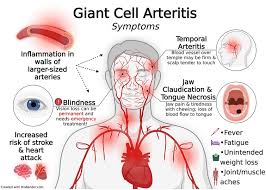
Giant cell arteritis (GCA), also known as temporal arteritis, is an inflammatory autoimmune disease affecting large and medium-sized arteries, most commonly those in the head and temples. It causes inflammation of
Read More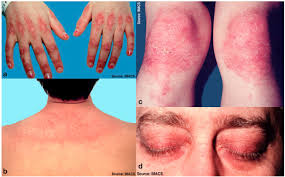
Inflammatory Myopathy (IFM) is a group of chronic autoimmune disorders characterized by muscle inflammation and weakness. They are often referred to as idiopathic inflammatory myopathies (IIMs) because their exact cause is
Read More
Raynaud’s phenomenon (RP) is a disorder characterized by episodic spasms of small blood vessels, primarily affecting the fingers and toes, but it can also involve the nose, lips, ears, and nipples.
Read More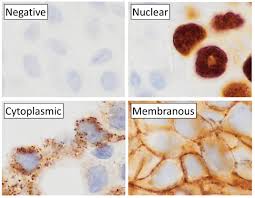
Immunohistochemistry (IHC) is a widely used technique for detecting and localizing specific antigens in tissue sections using antigen-antibody interactions. It combines anatomy, physiology, immunology, and biochemistry to provide in situ information
Read More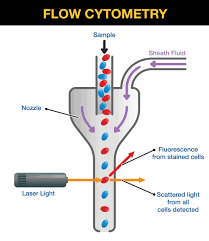
Flow Cytometry (FC) is a powerful, laser-based technology used to analyze the physical and chemical characteristics of cells or particles in a fluid suspension. It has become an essential tool in
Read More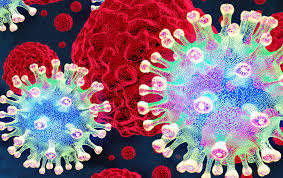
Oncolytic virus therapy (OVT) is a promising cancer treatment that leverages viruses to selectively infect and destroy tumor cells while stimulating an antitumor immune response. Below is a detailed overview of
Read More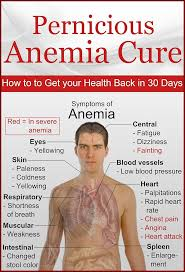
Pernicious anemia (PA) is an autoimmune disorder causing vitamin B12 deficiency due to impaired absorption. It arises from autoantibodies targeting intrinsic factor (IF), a stomach protein essential for B12 uptake, or
Read MoreAt Dr. StemCellsThailand, we are dedicated to advancing the field of regenerative medicine through innovative cellular therapies and stem cell treatments. With over 20 years of experience, our expert team is committed to providing personalized care to patients from around the world, helping them achieve optimal health and vitality. We take pride in our ongoing research and development efforts, ensuring that our patients benefit from the latest advancements in stem cell technology. Our satisfied patients, who come from diverse backgrounds, testify to the transformative impact of our therapies on their lives, and we are here to support you on your journey to wellness.
| Mon - Fri: | 8:00 am - 7:00 pm |
| Saturday: | 9:00 am - 7:00 pm |
| Sunday: | 9:00 am - 7:00 pm |






Copyright 2025 DrStemCellsThailand. All Rights Reserved by Anti-Aging and Regenerative Medicine Center of Thailand