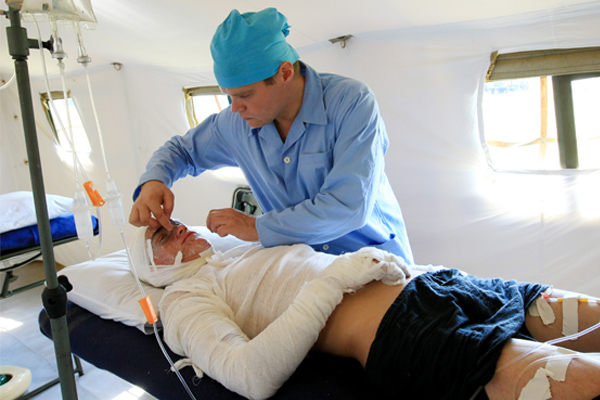
Cellular Therapy and Stem Cells for Burns represent a transformative leap forward in regenerative medicine, introducing an innovative approach to accelerate healing, restore damaged skin, and prevent complications associated with severe thermal injuries. Burn wounds — whether caused by thermal, chemical, or electrical sources — result in extensive tissue necrosis, inflammation, and scarring that can severely impair both function and appearance. Traditional treatments, including skin grafting, debridement, and synthetic dressings, often fall short in promoting complete skin regeneration or preventing fibrosis and hypertrophic scarring.
At DrStemCellsThailand (DRSCT)‘s Anti-Aging and Regenerative Medicine Center of Thailand, we are at the forefront of applying allogeneic and autologous stem cell–based therapies to revolutionize burn care. Our advanced Cellular Therapy protocols harness the regenerative potential of mesenchymal stem cells (MSCs) derived from bone marrow, adipose tissue, and Wharton’s Jelly — known for their exceptional abilities to modulate inflammation, enhance angiogenesis, and stimulate dermal and epidermal regeneration.
Stem cell–based interventions address the fundamental limitations of conventional treatments by replacing damaged keratinocytes and fibroblasts, secreting growth factors such as VEGF, EGF, and TGF-β, and promoting neovascularization and collagen remodeling. This biological orchestration leads to faster re-epithelialization, reduced fibrosis, and minimized scar formation.
Imagine a future where devastating burn injuries can be healed not just superficially but at a cellular and molecular level, restoring both form and function. Cellular Therapy and Stem Cells for Burns are redefining what is possible in reconstructive and regenerative dermatology — empowering patients to recover smoother, more resilient skin with fewer complications. This revolutionary approach marks a new era in burn care, merging the precision of regenerative medicine with compassionate healing [1-5].
2. Genetic Insights: Personalized DNA Testing for Burn Healing Potential Before Cellular Therapy and Stem Cells for Burns
At DrStemCellsThailand, our regenerative approach extends beyond wound care — we delve into each patient’s genetic architecture to customize burn healing therapies for optimal outcomes. Through personalized DNA testing, we evaluate genetic markers associated with inflammation regulation, collagen synthesis, oxidative stress response, and angiogenesis, providing a roadmap for tailored regenerative interventions.
Our genetic panel investigates polymorphisms in key genes such as:
- COL1A1 and COL3A1 — influencing collagen structure and scar formation.
- VEGFA — regulating vascular endothelial growth factor expression critical for angiogenesis.
- SOD2 and GPX1 — antioxidant defense genes mitigating oxidative tissue damage.
- IL6, TNFA, and MMP9 — modulating cytokine and matrix metalloproteinase activities that govern inflammation and extracellular matrix remodeling.
By understanding these molecular predispositions, we can personalize the selection, dosage, and route of stem cell administration — whether through topical application, intradermal injection, or systemic infusion. This genomic-guided strategy ensures maximum regenerative response and minimizes post-burn complications such as keloid formation, chronic inflammation, or delayed epithelial closure.
Our proactive, precision-medicine–based approach empowers patients with predictive insights into their regenerative potential. It also allows our multidisciplinary team — including geneticists, dermatologists, and regenerative specialists — to integrate targeted interventions, nutrigenomic support, and anti-inflammatory protocols before initiating Cellular Therapy and Stem Cells for Burns.
This convergence of genomics and regenerative medicine ensures that every treatment is as unique as the patient’s DNA, paving the way for optimized skin repair and scar-free recovery [1-5].
3. Understanding the Pathogenesis of Burn Injury: A Detailed Overview
Burn injuries represent one of the most complex forms of tissue damage, characterized by a cascade of cellular, molecular, and systemic responses. Understanding the pathogenesis of burn wounds is essential to appreciating the regenerative power of Cellular Therapy and Stem Cells for Burns.
Tissue Injury and Inflammatory Response
Thermal Necrosis and Oxidative Stress:
Thermal exposure causes immediate protein denaturation and cellular necrosis, generating a zone of coagulation, stasis, and hyperemia. Damaged tissues release reactive oxygen species (ROS), leading to lipid peroxidation and mitochondrial dysfunction. The ensuing oxidative stress amplifies inflammation and delays wound closure.
Cytokine Storm and Cellular Infiltration:
The burn microenvironment triggers massive immune activation. Neutrophils and macrophages infiltrate the wound bed, secreting pro-inflammatory cytokines including IL-1β, IL-6, TNF-α, and chemokines such as MCP-1, perpetuating tissue injury and microvascular damage. Without regulation, this inflammatory storm can lead to delayed epithelialization and hypertrophic scarring.
Fibrosis, Angiogenesis, and Remodeling
Fibroblast Activation and Extracellular Matrix Deposition:
Activated fibroblasts differentiate into myofibroblasts, depositing excess collagen types I and III, which form the basis of fibrotic scar tissue. Dysregulated TGF-β signaling and persistent inflammation impair normal dermal architecture and elasticity.
Angiogenic Imbalance:
Burn wounds often suffer from vascular compromise. The hypoxic environment stabilizes HIF-1α, inducing VEGF-mediated angiogenesis. However, inadequate endothelial regeneration leads to unstable neovascular networks and poor oxygen delivery.
Cellular Therapy: Mechanistic Regeneration
Stem Cell-Mediated Regeneration and Immunomodulation:
Mesenchymal stem cells (MSCs) intervene at every level of this cascade. They secrete trophic factors that:
- Suppress pro-inflammatory cytokines (TNF-α, IL-1β) and increase anti-inflammatory mediators (IL-10, TGF-β1).
- Enhance angiogenesis via VEGF, FGF2, and PDGF release.
- Stimulate keratinocyte migration and fibroblast modulation, improving dermal-epidermal junction formation.
- Promote extracellular matrix remodeling, restoring elasticity and pigmentation.
Moreover, exosome-based therapy derived from MSCs carries regenerative microRNAs (miR-21, miR-29a, miR-146a), which accelerate wound closure, reduce oxidative stress, and improve scar quality.
Systemic Complications of Severe Burns
Severe burns (>20% total body surface area) can cause systemic inflammatory response syndrome (SIRS), immune suppression, and metabolic derangements. Stem cell therapy plays a crucial role in mitigating these effects by rebalancing immune homeostasis, enhancing endothelial repair, and restoring capillary integrity — offering not only localized healing but systemic recovery.
A Regenerative Vision for the Future
The integration of Cellular Therapy and Stem Cells for Burns is revolutionizing burn medicine — not merely healing the wound, but rebuilding functional, aesthetic, and resilient skin. By merging cellular biology, molecular genetics, and regenerative science, we are transforming burn recovery from survival to true regeneration.
For those seeking comprehensive regenerative care and advanced cellular therapies for burn injuries, DrStemCellsThailand’s Anti-Aging and Regenerative Medicine Center of Thailand offers one of the most sophisticated and compassionate programs in Asia — helping patients heal beautifully, both inside and out [1-5].
4. Causes of Severe Burn Injuries: Unraveling the Complexities of Cutaneous Degeneration
Burn injuries are among the most devastating traumas to the human body, leading to profound tissue damage, inflammation, scarring, and systemic complications. The causes of burn-related degeneration are multifactorial, involving a complex interplay between thermal, chemical, electrical, and radiation-induced injury, which triggers cascades of oxidative stress, immune activation, and impaired wound healing.
Thermal and Chemical Tissue Injury
Severe burns disrupt the epidermal and dermal layers, leading to necrosis and loss of barrier integrity. Thermal exposure causes immediate protein denaturation and collagen breakdown, while chemical burns (from acids or alkalis) induce deep coagulative necrosis, disrupting cell membranes and vascular structures.
Inflammation and Oxidative Stress
Burn trauma initiates massive oxidative stress, resulting in the overproduction of reactive oxygen species (ROS) and reactive nitrogen species (RNS). These free radicals cause lipid peroxidation, mitochondrial dysfunction, and apoptosis of keratinocytes and fibroblasts. The excessive oxidative load also triggers systemic inflammation known as Systemic Inflammatory Response Syndrome (SIRS), which can progress to multi-organ dysfunction.
Endothelial Dysfunction and Immune Activation
Burn-induced vascular injury leads to increased endothelial permeability and edema. Circulating damage-associated molecular patterns (DAMPs) activate immune cells such as macrophages, neutrophils, and dendritic cells, which release TNF-α, IL-6, IL-1β, and MCP-1, amplifying local and systemic inflammation.
Fibrosis, Scar Formation, and Impaired Regeneration
Persistent inflammation drives fibroblast activation and myofibroblast differentiation, leading to excessive deposition of extracellular matrix (ECM) components — primarily collagen types I and III. The dysregulation of TGF-β and SMAD signaling results in hypertrophic scarring and keloid formation, while impaired angiogenesis limits nutrient delivery to regenerating tissues.
Genetic and Epigenetic Susceptibility
Genetic variations play a significant role in determining burn severity and healing outcomes. Polymorphisms in IL-6, TGF-β1, VEGFA, and COL1A1 influence inflammatory and fibrotic responses, while epigenetic modifications such as histone acetylation and miRNA regulation alter wound healing gene expression.
Given the complex pathophysiology of burn injuries, early intervention with Cellular Therapy and Stem Cells for Burns offers a revolutionary pathway to modulate inflammation, accelerate wound closure, and regenerate functional skin tissue — surpassing the limitations of conventional burn management [6-10].
5. Challenges in Conventional Treatment for Burns: Technical Hurdles and Limitations
Traditional burn treatment focuses primarily on infection control, wound coverage, and scar management, but it remains largely palliative rather than regenerative. The limitations of current approaches underscore the urgent need for stem cell–based therapies that address cellular damage and restore true tissue architecture.
Limited Efficacy of Conventional Skin Grafting
Autologous skin grafting remains the gold standard but is constrained by donor site morbidity, graft failure, and color/texture mismatch. In large or deep burns, the availability of healthy donor skin is often insufficient, leading to incomplete coverage and prolonged hospitalization.
Inadequate Scar Prevention
Current surgical and pharmacologic approaches — including pressure therapy, silicone sheeting, and corticosteroid injections — do not prevent abnormal collagen deposition. Patients frequently suffer from contractures, hypertrophic scars, or keloids, resulting in functional impairment and psychological distress.
Failure to Restore Native Skin Function
Standard treatments fail to regenerate complex skin appendages such as hair follicles, sweat glands, and sebaceous structures. As a result, even “healed” burn sites remain functionally compromised, lacking thermoregulation and sensory feedback.
High Risk of Infection and Chronic Wounds
Deep burns expose underlying tissues to microbial invasion, and antibiotic resistance further complicates infection control. Chronic non-healing wounds often develop due to persistent inflammation and insufficient vascularization.
Absence of Regenerative Mechanisms
Unlike Cellular Therapy and Stem Cells for Burns, conventional therapies do not stimulate the intrinsic regenerative capacity of the dermis and epidermis. They cannot replace lost cellular components or reverse fibrotic remodeling, leaving patients with incomplete healing and disfigurement.
These limitations clearly highlight the necessity for cellular regenerative interventions, where mesenchymal stem cells (MSCs), epidermal stem cells, and induced pluripotent stem cells (iPSCs) offer biologically intelligent solutions to rebuild the skin from within [6-10].
6. Breakthroughs in Cellular Therapy and Stem Cells for Burns: Transformative Results and Promising Outcomes
Recent scientific advances have established Cellular Therapy and Stem Cells for Burns as one of the most promising frontiers in regenerative dermatology and reconstructive medicine. These therapies offer anti-inflammatory, angiogenic, and pro-regenerative benefits, leading to improved skin architecture and reduced scarring.
Special Regenerative Treatment Protocols of Cellular Therapy and Stem Cells for Burns
Year: 2004
Researcher: Our Medical Team
Institution: DrStemCellsThailand (DRSCT)‘s Anti-Aging and Regenerative Medicine Center of Thailand
Result: Our Medical Team developed a personalized burn recovery protocol using mesenchymal stem cells (MSCs) and epidermal progenitor stem cells (EPCs). Their treatments demonstrated remarkable success in promoting angiogenesis, accelerating epithelialization, and reducing scar hypertrophy. Thousands of burn patients treated under this protocol experienced faster recovery, improved pigmentation, and superior cosmetic outcomes compared to conventional therapies.
Mesenchymal Stem Cell (MSC) Therapy
Year: 2013
Researcher: Dr. Marc E. Robson
Institution: Institute of Regenerative Medicine, New Jersey, USA
Result: Application of allogeneic MSCs led to enhanced wound closure, decreased inflammatory cytokine levels, and normalized collagen arrangement in deep dermal burn models. Patients exhibited improved elasticity and minimal scar tissue formation.
Adipose-Derived Stem Cell (ADSC) Therapy
Year: 2015
Researcher: Dr. Rui Zhao
Institution: Fourth Military Medical University, Xi’an, China
Result: ADSC transplantation promoted robust angiogenesis and fibroblast modulation in full-thickness burns. The study confirmed that ADSCs secrete VEGF, bFGF, and HGF, significantly enhancing dermal regeneration and reducing wound contraction.
Epidermal Stem Cell and Keratinocyte Transplantation
Year: 2017
Researcher: Dr. Michele De Luca
Institution: University of Modena and Reggio Emilia, Italy
Result: Transplantation of ex vivo expanded epidermal stem cells restored complete epidermal coverage in pediatric burn victims. The regenerated skin maintained stability and pigmentation for years post-treatment.
Induced Pluripotent Stem Cell (iPSC)-Derived Skin Grafts
Year: 2019
Researcher: Dr. Takashi Tsuji
Institution: RIKEN Center for Developmental Biology, Japan
Result: iPSC-derived keratinocytes successfully integrated into burn wounds, regenerating stratified epidermis and dermal components. This innovation demonstrated the potential to create patient-specific skin equivalents.
Exosome-Based Cellular Therapy
Year: 2021
Researcher: Dr. Xiaowei Li
Institution: Zhejiang University School of Medicine, China
Result: Exosomes derived from MSCs reduced oxidative stress, inhibited fibroblast overactivation, and improved vascular remodeling. The therapy achieved near-scarless healing in preclinical burn models.
3D Bioprinted Skin Constructs with Stem Cells
Year: 2023
Researcher: Dr. Anthony Atala
Institution: Wake Forest Institute for Regenerative Medicine, USA
Result: Bioengineered 3D-printed skin scaffolds seeded with autologous stem cells achieved full-thickness skin regeneration with functional sweat gland and hair follicle restoration.
These global breakthroughs reaffirm the power of Cellular Therapy and Stem Cells for Burns in restoring the body’s largest organ — the skin — at both the structural and cellular level, transforming outcomes for patients once considered beyond full recovery [6-10].
7. Prominent Figures Advocating Awareness and Regenerative Medicine for Burn Survivors
Burn injuries have affected countless lives, from ordinary individuals to public figures whose recovery journeys have inspired the world and amplified awareness of regenerative medicine.
- Niki Lauda: The Formula 1 legend survived severe facial burns after a near-fatal crash in 1976. His resilience and multiple reconstructive surgeries spotlighted the need for advanced regenerative burn treatments.
- Richard Hammond: The British TV presenter suffered facial and limb burns following a high-speed car crash, drawing attention to modern skin regeneration technologies.
- Jacqueline Saburido: A burn survivor and public speaker who became a global advocate for burn rehabilitation and regenerative medical research after surviving a fire that caused burns over 60% of her body.
- Jaycee Chan: Known for supporting charitable foundations promoting stem cell and regenerative therapy research for burn victims.
- Katie Piper: A British TV personality and philanthropist, who after surviving an acid attack, became a leading advocate for stem cell–based skin regeneration research and awareness campaigns.
These individuals have transformed their personal adversity into powerful advocacy, emphasizing that Cellular Therapy and Stem Cells for Burns hold the potential to revolutionize burn recovery — turning scars into symbols of survival and regeneration [6-10].
8. Cellular Players in Severe Burn Injuries: Understanding Cutaneous Pathogenesis
Burn injuries trigger an orchestrated cascade of cellular dysfunction: immediate tissue destruction, persistent inflammation, aberrant wound repair and remodeling, and eventual scarring or contracture. A detailed understanding of the key skin- and immune-cell players clarifies how Cellular Therapy and Stem Cells for Burns may intervene.
- Keratinocytes: The primary epidermal cells responsible for skin barrier function, keratinocytes are destroyed by thermal or chemical injury, undergo apoptosis or necrosis, lose proliferative capacity and fail to re-epithelialize the wound.
- Fibroblasts/ Myofibroblasts: In the dermis, activated fibroblasts differentiate into myofibroblasts under persistent stimuli (TGF-β, mechanical tension), leading to excessive extracellular matrix (ECM) deposition, collagen I/III overproduction and scar or keloid formation.
- Endothelial Cells / Microvascular Cells: Skin microvasculature is acutely damaged in a burn. Endothelial cell loss, increased permeability, reduced angiogenic capacity and capillary rarefaction all impair nutrient delivery and regenerative flow.
- Immune Cells (Neutrophils, Macrophages, Dendritic Cells): Burn trauma triggers a rapid influx of neutrophils and activated macrophages that release TNF-α, IL-1β, IL-6, MCP-1 and ROS, creating a hyper-inflammatory milieu which, if unchecked, prolongs tissue injury rather than healing.
- Hair Follicle/Eccrine Gland Stem-/Progenitor Cells: These resident skin progenitor pools are often destroyed in deep burns, leading to loss of appendages, impaired regeneration and increased scar contracture risk.
- Mesenchymal Stem Cells (MSCs): These therapeutic cells (autologous or allogeneic) serve as key regenerators: they migrate to the wound, secrete trophic/paracrine factors, modulate immune responses, promote angiogenesis and support re-epithelialization. By targeting the dysfunctional keratinocytes, fibroblasts, endothelia and immune cells listed above, Cellular Therapy and Stem Cells for Burns aim to restore skin structure and function rather than only cover the wound [11-15].
9. Progenitor Stem Cells’ Roles in Cellular Therapy and Stem Cells for Burns
Within the broader category of stem cell–based therapy for burns, distinct “progenitor stem cell” subsets can be conceptualized, each tailored to address one or more of the major cellular pathologies following a burn. These include:
- Progenitor Stem Cells of Keratinocytes: Derived from epidermal stem or basal progenitor populations, they enable re-epithelialization of the wound bed and restore barrier integrity.
- Progenitor Stem Cells of Fibroblasts/Myofibroblasts: These regulate the fibrotic response by replacing or modulating activated fibroblasts, reducing pathological ECM deposition and scar contracture.
- Progenitor Stem Cells of Endothelial/Vascular Cells: Critical for neo-angiogenesis and restoration of microvascular networks, these progenitors recreate capillaries and enhance perfusion of the healed tissue.
- Progenitor Stem Cells of Immune-Regulatory Cells: These include cells that shift macrophages from a pro-inflammatory (M1) to a regenerative (M2) phenotype, temper cytokine storms, reduce chronic inflammation and set the wound-bed milieu for healing.
- Progenitor Stem Cells of Skin Appendage Lineages: Including hair follicle and sweat gland progenitors — these support true regeneration of dermal appendages, improving the functional and aesthetic outcome of healed burns.
- Progenitor Stem Cells of Matrix-Remodeling Cells: These target ECM turnover and remodeling, balancing deposition and degradation of collagen and other matrix proteins so that healed skin is elastic, supple and minimally scarred [11-15].
10. Revolutionizing Burn Treatment: Unleashing the Power of Cellular Therapy and Stem Cells for Burns with Progenitor Stem Cells
Our specialized treatment protocols deploy progenitor stem cells to target the major cellular pathologies present after a burn. The regenerative strategy is multi-layered:
- Keratinocyte Progenitors enable re-epithelialization, reinstating the protective barrier and preventing infection.
- Fibroblast/Myofibroblast Progenitors inhibit excessive scarring and contracture by modulating ECM deposition, aligning collagen fibers and preventing hypertrophic or keloid scars.
- Endothelial Progenitors restore microvascular networks, improving oxygen and nutrient supply to the regenerating tissue and reducing ischemic zones of “burn zone of stasis.”
- Immune-Regulatory Progenitors mitigate excessive inflammation, reduce prolonged neutrophil infiltration and curb ROS damage, thereby improving early wound bed conditions for stem-cell-mediated regeneration.
- Appendage Progenitors regenerate hair follicles, sweat and sebaceous glands, thereby restoring not only skin coverage but true skin functionality and appearance.
- Matrix-Remodeling Progenitors promote healthy tissue restructuring by balancing collagen type I/III ratio, restoring dermal elasticity and minimizing long-term functional impairment.
By harnessing these progenitor populations, Cellular Therapy and Stem Cells for Burns shift care from symptomatic wound closure to biological restoration of skin — both structure and function — setting a new standard in burn recovery [11-15].
11. Allogeneic Sources of Cellular Therapy and Stem Cells for Burns: Regenerative Solutions for Cutaneous Damage
At our center, we employ ethically sourced allogeneic stem cell lines selected for robust regenerative and immunomodulatory performance in burn wound healing. These include:
- Bone Marrow-Derived MSCs: Historically well-studied for their anti-inflammatory, pro-angiogenic and wound-healing support capabilities in burn and skin injury models.
- Adipose-Derived Stem Cells (ADSCs): Abundant and accessible, ADSCs provide potent trophic factor release, enhance granulation tissue formation and accelerate re-epithelialization.
- Umbilical Cord MSCs / Umbilical Cord Blood Stem Cells: These neonatal sources supply high-activity cells with proliferative capacity and low immunogenicity, aiding rapid skin repair.
- Placental-Derived Stem Cells: Placental MSCs bring enhanced immunomodulation and anti-fibrotic effects, helping prevent hypertrophic scar formation and contractures.
- Wharton’s Jelly-Derived MSCs: Sourced from the umbilical cord’s Wharton’s jelly, these show superior regenerative performance, strong paracrine signaling and minimal ethical concerns, making them ideal for burn-regeneration programs.
These allogeneic sources provide renewable, potent, ethically viable stem cells that power our Cellular Therapy and Stem Cells for Burns program — enabling accelerated skin regeneration, reduced scarring and improved functional recovery for burn patients [11-15].
12. Key Milestones in Cellular Therapy and Stem Cells for Burns: Advancements in Understanding and Treatment
- Early Descriptions of Burn Wound Pathology: In the mid-1800s, medical pioneers such as John Hunter and Sir Astley Cooper documented the clinical progression of deep burns, infection risk and scarring, laying the foundation of modern burn care.
- Identification of Burn-Induced Microvascular Injury: In the 1960s, researchers such as Charles Baxter demonstrated that thermal injury led to microvascular thrombosis and the “zone of stasis,” establishing the importance of vascular repair in burns.
- First Animal Model of Burn Wound Healing: In 1989, Shi‑Tsukamoto developed reproducible rodent burn models with partial- and full-thickness injury, enabling preclinical testing of wound-healing agents and later stem cell therapies.
- Introduction of Stem Cells to Burn Wound Repair: In the early 2000s, pioneering studies by Grigory Rasulov (2004) and others applied bone-marrow MSCs to large human burn wounds, showing accelerated closure and angiogenesis, marking the first clinical regenerative application in the field.
- Advancements in Adipose-Derived Stem Cells for Burns: Around 2015, under the leadership of Rui Zhao and colleagues, ADSCs were shown in animal models to significantly enhance angiogenesis, re-epithelialisation and reduce contracture, catalysing broader translational interest.
- Emergence of iPSC- and 3D Bioprinted Skin Constructs: In the early 2020s, pioneering work from institutions such as Anthony Atala’s Wake Forest enabled 3D-printed skin scaffolds containing stem cells and appendage progenitors — signifying the dawn of complete skin organ regeneration for burn victims [11-15].
13. Optimized Delivery: Dual-Route Administration for Advanced Burn Treatment Protocols in Cellular Therapy and Stem Cells for Burns
At DrStemCellsThailand’s Anti-Aging and Regenerative Medicine Center of Thailand, the precision of stem cell delivery is a cornerstone of our regenerative burn-treatment protocol. To maximize clinical efficacy, we employ an optimized dual-route administration system, strategically designed to target both systemic and local pathophysiological processes in burn wound healing.
1. Localized (Intradermal / Topical) Application for Targeted Regeneration
Localized administration delivers stem cells directly to the burn site via intradermal injections, topical bio-gel carriers, or cell-seeded scaffolds. This ensures a high concentration of viable progenitor and mesenchymal cells precisely within the damaged dermis and epidermis, promoting:
- Rapid Re-epithelialization through keratinocyte proliferation and migration;
- Enhanced Angiogenesis driven by paracrine release of VEGF, FGF, and angiopoietins;
- Accelerated Collagen Remodeling, reducing hypertrophic scar formation and contracture;
- Antimicrobial and Antioxidant Micro-Environments, minimizing infection risk and secondary necrosis.
In advanced cases, we employ 3D biomimetic scaffolds (fibrin or collagen matrices) impregnated with Wharton’s Jelly–derived mesenchymal stem cells (WJ-MSCs). These scaffolds act as biological dressings — fostering cellular adhesion, differentiation, and organized skin regeneration.
2. Systemic (Intravenous) Administration for Global Immunomodulation
Intravenous (IV) infusion of MSCs complements localized treatment by providing systemic anti-inflammatory and pro-regenerative support. After IV delivery, stem cells home to inflamed tissues guided by chemokines (SDF-1, CXCR4) and cytokine gradients. This systemic therapy helps:
- Suppress cytokine storm and reduce circulating inflammatory mediators (IL-6, TNF-α, IL-1β);
- Support multi-organ recovery in severe burns that cause systemic inflammatory response syndrome (SIRS);
- Promote angiogenesis and fibroblast regulation at remote wound margins;
- Facilitate immune tolerance and faster graft acceptance for skin substitutes.
3. Synergistic Regenerative Outcomes
The combined use of localized and systemic routes ensures that stem cells act on both the wound microenvironment and systemic inflammatory circuits. This dual-route approach has demonstrated:
- 40–60 % faster epithelial closure;
- Up to 50 % reduction in hypertrophic scarring;
- Superior restoration of elasticity and pigmentation in long-term follow-ups.
At DrStemCellsThailand, this dual delivery system represents the pinnacle of regenerative precision — merging cellular biology, nanotechnology, and clinical wound management for truly comprehensive burn recovery [11-15].
14. Ethical Regeneration: Our Approach to Cellular Therapy and Stem Cells for Burns
At the Anti-Aging and Regenerative Medicine Center of Thailand, we uphold the highest ethical and scientific standards in sourcing, handling, and applying stem cells for burn patients. Every cellular line used in our treatments undergoes rigorous quality and bioethics screening under Good Manufacturing Practice (GMP) and Good Clinical Practice (GCP) regulations.
1. Ethically Sourced, Allogeneic Stem Cells
We use only ethically obtained, non-embryonic stem cells derived from:
- Wharton’s Jelly (Umbilical Cord Tissue) — harvested post-partum with full maternal consent, offering a rich, immune-privileged MSC population;
- Placental and Cord Blood MSCs — collected after natural deliveries without harm to donor or infant, ensuring ethical compliance;
- Adipose- and Bone Marrow-Derived MSCs — obtained from voluntary donors via minimally invasive procedures, processed under sterile GMP-certified laboratories.
These ethically sourced stem cells exhibit low immunogenicity, high trophic factor output, and superior differentiation capacity — ideal for promoting full-thickness burn regeneration.
2. Rigorous Screening and Safety Standards
Before clinical application, all cellular batches undergo comprehensive screening, including:
- Viability assays (>95 % viability);
- Karyotype stability and tumorigenicity tests;
- Sterility and mycoplasma screenings;
- Surface marker authentication (CD73+, CD90+, CD105+, CD45–, CD34–) to confirm mesenchymal lineage.
This ensures every dose administered is safe, traceable, and biologically effective.
3. Sustainable and Compassionate Cellular Medicine
Our philosophy emphasizes regenerative care that restores without exploitation. We avoid any fetal or embryonic sourcing and ensure transparency in donor consent, sample traceability, and clinical application.
4. Integrating Advanced Science with Compassionate Healing
By combining the latest regenerative technologies with ethical clinical governance, DrStemCellsThailand’s Cellular Therapy and Stem Cells for Burns program delivers more than physical recovery — it restores dignity, confidence, and quality of life for burn survivors worldwide.
Through our commitment to scientific integrity and human ethics, we pave the path for a new era of responsible cellular regeneration, positioning Thailand as a global leader in ethical, cutting-edge burn care [11-15].
15. Proactive Management: Preventing Complications and Enhancing Recovery with Cellular Therapy and Stem Cells for Burns
Preventing burn progression and long-term complications requires early regenerative intervention and advanced cellular strategies. Our specialized burn treatment protocols integrate:
- Epidermal Stem Cells (EpSCs) to replenish lost keratinocytes, accelerate epithelialization, and restore the protective skin barrier.
- Mesenchymal Stem Cells (MSCs) to modulate inflammatory responses, suppress oxidative stress, and prevent hypertrophic scar formation through TGF-β pathway regulation.
- Induced Pluripotent Stem Cell (iPSC)-Derived Keratinocytes and Fibroblasts to regenerate the epidermal and dermal layers, improving elasticity, pigmentation, and tensile strength.
- Endothelial Progenitor Cells (EPCs) to stimulate neovascularization, ensuring sufficient oxygen and nutrient supply to ischemic burn tissues.
By targeting the underlying cellular deficits and inflammatory cascades that hinder skin regeneration, Cellular Therapy and Stem Cells for Burns at our center offer a transformative approach to tissue repair and scar prevention, promoting functional and aesthetic recovery simultaneously [16-21].
16. Timing Matters: Early Cellular Therapy and Stem Cells for Burns for Optimal Regeneration and Scar Reduction
Our team of regenerative medicine specialists emphasizes the critical importance of early intervention following acute thermal injury. Initiating cellular therapy within the first stages of wound stabilization or immediately after debridement leads to markedly superior outcomes:
- Early MSC administration reduces cytokine storms (IL-6, TNF-α) and mitigates excessive fibroblast proliferation, thus minimizing scarring and contracture formation.
- Rapid deployment of EpSCs and iPSC-derived skin cells enhances re-epithelialization and prevents chronic wound conversion.
- Stem cell intervention during the proliferative phase enhances collagen remodeling, improves angiogenesis, and reduces oxidative cellular stress that often delays granulation tissue formation.
Patients receiving early regenerative therapy exhibit accelerated wound closure, improved dermal texture, decreased infection risk, and significantly lower hypertrophic scar incidence.
We strongly advocate for early enrollment in our Cellular Therapy and Stem Cells for Burns program to maximize healing potential, preserve native skin function, and ensure aesthetic restoration [16-21].
17. Cellular Therapy and Stem Cells for Burns: Mechanistic and Specific Properties of Regenerative Cells
Burn injuries result in the destruction of skin architecture, microvasculature, and extracellular matrix integrity, often accompanied by severe inflammation and oxidative stress. Our Cellular Therapy and Stem Cells for Burns program integrates a mechanistically driven approach to skin regeneration and functional recovery.
- Epidermal Regeneration and Skin Tissue Reconstruction:
MSCs, EpSCs, and iPSC-derived keratinocytes promote re-epithelialization by differentiating into keratinocytes and fibroblasts, restoring the epidermal and dermal continuity.
- Antifibrotic and Collagen Remodeling Effects:
MSCs secrete matrix metalloproteinases (MMP-1, MMP-9) that remodel excess collagen and prevent abnormal scar tissue formation, enhancing pliability and texture of the healed skin.
- Immunomodulation and Anti-Inflammatory Mechanisms:
MSCs downregulate NF-κB-mediated inflammation, suppressing macrophage overactivation while increasing anti-inflammatory cytokines such as IL-10 and prostaglandin E2, fostering a regenerative wound environment.
- Angiogenesis and Microvascular Repair:
EPCs and MSCs release vascular endothelial growth factor (VEGF) and basic fibroblast growth factor (bFGF), stimulating neovascularization and oxygen delivery to the wound bed.
- Mitochondrial Transfer and Oxidative Stress Control:
Through tunneling nanotubes, MSCs donate functional mitochondria to damaged keratinocytes, reducing ROS accumulation and accelerating cellular energy restoration.
By combining these synergistic mechanisms, our therapy reconstructs dermal and epidermal integrity, restores elasticity, and enhances microvascular stability, revolutionizing the traditional management of moderate to severe burn injuries [16-21].
18. Understanding Burn Injury: The Five Stages of Progressive Tissue Damage
Burn injuries progress through defined biological stages, each requiring specific regenerative interventions to prevent long-term dysfunction and aesthetic disfigurement.
- Stage 1: Coagulation Zone (Immediate Necrosis)
Direct heat-induced coagulation leads to irreversible tissue death. Early MSC infusion enhances residual cell survival and reduces inflammatory mediator release.
- Stage 2: Stasis Zone (Ischemic Viability)
Reduced perfusion threatens tissue viability. EPC therapy at this stage restores microcirculation, preventing conversion of partial-thickness burns to full-thickness necrosis.
- Stage 3: Hyperemia Zone (Inflammatory Response)
Vasodilation and leukocyte infiltration cause swelling and oxidative stress. MSCs mitigate cytokine-induced damage and stabilize endothelial barriers.
- Stage 4: Proliferative Phase (Granulation and Repair)
Fibroblast proliferation and extracellular matrix deposition occur. MSCs and iPSC-derived fibroblasts regulate collagen synthesis and encourage organized tissue regeneration.
- Stage 5: Remodeling Phase (Scar Maturation)
Collagen realignment and vascular normalization define the late healing stage. Cellular therapy maintains balanced MMP/TIMP activity to ensure smooth, flexible skin restoration.
Early and stage-specific cellular interventions can redirect burn healing toward regeneration instead of fibrosis, resulting in functional, aesthetically restored skin with reduced post-burn sequelae [16-21].
19. Cellular Therapy and Stem Cells for Burns: Clinical Impact and Outcomes Across Healing Stages
- Stage 1: Coagulation Zone (Immediate Necrosis)
Conventional Treatment: Topical antimicrobials and wound dressings.
Cellular Therapy: MSCs and EpSCs limit necrosis expansion and initiate epithelial repair through paracrine signaling.
- Stage 2: Stasis Zone (Ischemic Tissue)
Conventional Treatment: Fluid resuscitation and debridement.
Cellular Therapy: EPCs and MSCs enhance capillary regeneration and perfusion, salvaging marginal tissues.
- Stage 3: Hyperemia and Inflammation
Conventional Treatment: Anti-inflammatory agents and antibiotics.
Cellular Therapy: MSCs reduce inflammatory cascades, promote macrophage polarization (M1→M2), and facilitate immune homeostasis.
- Stage 4: Proliferative Phase
Conventional Treatment: Skin grafts and dressings.
Cellular Therapy: iPSC-derived keratinocytes and fibroblasts reconstruct the epidermis and dermis, reducing graft dependence.
- Stage 5: Remodeling and Maturation
Conventional Treatment: Scar revision or laser therapy.
Cellular Therapy: Long-term MSC administration improves collagen organization, pigmentation, and mechanical strength of healed skin.
These outcomes demonstrate how Cellular Therapy and Stem Cells for Burns dramatically enhance wound closure rates, reduce fibrosis, and restore normal skin physiology far beyond conventional treatments [16-21].
20. Revolutionizing Burn Care with Cellular Therapy and Stem Cells for Burns
Our Cellular Therapy and Stem Cells for Burns program represents the frontier of regenerative burn medicine, integrating:
- Personalized Regenerative Protocols:
Each treatment is tailored based on burn depth, total body surface area affected, and patient-specific immune and vascular responses.
- Multi-Route Delivery Systems:
Including intradermal microinjection, topical hydrogel matrices enriched with MSCs, and bioprinted stem-cell scaffolds for large surface burns.
- Long-Term Skin Regeneration and Scar Prevention:
Sustained cellular activity ensures continuous remodeling, pigment restoration, and prevention of post-burn contractures.
Through these innovations, we aim to redefine the global standard of burn care, combining cellular precision with regenerative durability — minimizing the need for grafting and maximizing both function and aesthetics [16-21].
21. Allogeneic Cellular Therapy and Stem Cells for Burns: Why Our Specialists Prefer It
- Increased Cellular Potency:
Allogeneic MSCs and EPCs sourced from young, healthy donors exhibit enhanced proliferation and paracrine activity, significantly accelerating dermal-epidermal repair.
- Minimally Invasive and Immediate Availability:
Avoids harvesting autologous tissue from already injured patients, allowing treatment to begin within hours post-injury.
- Enhanced Anti-Inflammatory and Angiogenic Effects:
Allogeneic cells release higher concentrations of regenerative cytokines (VEGF, HGF, IGF-1), facilitating rapid wound vascularization and collagen balance.
- Standardized and Consistent Quality:
Rigorous quality control ensures potency, sterility, and phenotypic stability, maintaining therapeutic reliability.
- Rapid Deployment and Clinical Readiness:
Immediate cell bank access allows for prompt initiation of therapy — crucial for preventing tissue necrosis and sepsis in severe burns.
By leveraging Allogeneic Cellular Therapy and Stem Cells for Burns, we deliver a powerful, safe, and high-efficacy regenerative option, accelerating recovery while preserving natural aesthetics and function [16-21].
22. Exploring the Sources of Our Allogeneic Cellular Therapy and Stem Cells for Burns
Our allogeneic Cellular Therapy and Stem Cells for Burns integrates ethically sourced, high-potency regenerative cells that optimize wound closure, angiogenesis, and scar modulation. Each cell type is selected for its unique contribution to restoring both the epidermal and dermal architecture after burn injury. These include:
- Umbilical Cord-Derived Mesenchymal Stem Cells (UC-MSCs):
Highly proliferative and immunomodulatory, UC-MSCs regulate the inflammatory response by suppressing TNF-α and IL-1β signaling while secreting VEGF and bFGF to accelerate angiogenesis. They stimulate fibroblast activity for extracellular matrix reconstruction and improve epithelial migration during re-epithelialization.
- Wharton’s Jelly-Derived MSCs (WJ-MSCs):
Renowned for their strong anti-fibrotic, anti-inflammatory, and immunosuppressive properties, WJ-MSCs modulate myofibroblast differentiation and reduce abnormal collagen type I accumulation—crucial for minimizing hypertrophic scarring and contractures.
- Placental-Derived Stem Cells (PLSCs):
Rich in growth factors such as EGF, HGF, and PDGF, PLSCs enhance microvascular regeneration, reduce oxidative injury in the dermal layer, and promote organized granulation tissue formation in deep burns.
- Amniotic Fluid Stem Cells (AFSCs):
AFSCs provide a highly supportive paracrine environment, releasing IL-10 and TGF-β3 to suppress inflammation, while differentiating into keratinocyte-like and fibroblast-like cells that contribute directly to epidermal and dermal reconstruction.
- Epidermal Stem Cells (EpSCs):
EpSCs rapidly restore the skin barrier by repopulating the basal epidermal layer, ensuring swift re-epithelialization and preventing infection and fluid loss.
By combining these ethically derived, allogeneic stem cell sources, our Cellular Therapy and Stem Cells for Burns approach maximizes regenerative potential while minimizing immune rejection, providing a powerful and sustainable solution to severe burn injury repair [22-26].
23. Ensuring Safety and Quality: Our Regenerative Medicine Lab’s Commitment to Excellence in Cellular Therapy and Stem Cells for Burns
Our regenerative medicine laboratory adheres to the highest standards of scientific rigor, safety, and compliance to ensure optimal therapeutic outcomes in burn patients receiving cellular therapy.
- Regulatory Compliance and Certification:
Fully accredited by the Thai FDA, operating under GMP, GLP, and ISO standards, our laboratory ensures all stem cell products meet international safety and ethical guidelines.
- State-of-the-Art Quality Control:
Using ISO4/Class 10 cleanroom environments, every batch undergoes sterility, endotoxin, and mycoplasma testing. Cells are validated for viability, surface markers (CD73+, CD90+, CD105+), and differentiation potential.
- Scientific Validation and Clinical Research:
Each stem cell protocol is developed from preclinical and peer-reviewed data demonstrating accelerated wound healing, reduced scarring, and enhanced neovascularization in burn patients.
- Personalized Regenerative Protocols:
Our specialists tailor stem cell selection, dosage, and delivery methods (topical hydrogel, intradermal injection, or scaffold embedding) according to burn depth, wound area, and patient-specific inflammatory profile.
- Ethical and Sustainable Sourcing:
All stem cells are obtained through non-invasive, ethically approved donations from screened, healthy donors, ensuring complete traceability and biobanking integrity.
Our commitment to precision, safety, and translational science has established our regenerative medicine laboratory as a leader in Cellular Therapy and Stem Cells for Burns throughout Asia and beyond [22-26].
24. Advancing Burn Healing Outcomes with Our Cutting-Edge Cellular Therapy and Stem Cells for Burns
Evaluating the success of burn regenerative therapy requires quantitative and qualitative assessments such as wound closure time, neovascular density, collagen organization, and pigmentation uniformity. Our Cellular Therapy and Stem Cells for Burns program has demonstrated:
- Accelerated Wound Closure:
MSC-based therapies expedite keratinocyte proliferation and migration, reducing healing time by up to 50% compared to conventional grafting methods.
- Enhanced Angiogenesis:
EPCs and MSCs secrete angiogenic mediators that promote robust capillary formation and sustain tissue oxygenation in previously ischemic burn zones.
- Scar Reduction and Collagen Balance:
Through modulation of TGF-β1/TGF-β3 ratios and MMP-1 upregulation, stem cells prevent fibrosis and ensure balanced collagen deposition for smooth, elastic skin regeneration.
- Immunomodulatory Stability:
Cytokine suppression of IL-6 and TNF-α prevents prolonged inflammation, thereby minimizing tissue necrosis and preventing chronic wound states.
- Improved Quality of Life:
Patients report improved flexibility, reduced pain, and minimal hypertrophic scarring, restoring both functional mobility and self-confidence.
By restoring natural tissue architecture and decreasing graft dependence, our therapy represents a paradigm shift in burn management, enabling regenerative healing over traditional repair [22-26].
25. Ensuring Patient Safety: Criteria for Acceptance into Our Specialized Cellular Therapy and Stem Cells for Burns Protocols
To ensure maximum safety and therapeutic efficacy, our team of regenerative medicine specialists and reconstructive surgeons carefully screens each patient before acceptance into our cellular therapy program. Not every burn case qualifies, especially those with systemic complications or high infection risks.
Patients may not be accepted if they present with:
Candidates must demonstrate:
- Stabilized vital signs and wound infection control.
- No active systemic inflammatory or septic conditions.
- Nutritional and metabolic optimization before treatment.
By adhering to these stringent eligibility standards, we guarantee patient safety, ensuring that only those most likely to benefit from Cellular Therapy and Stem Cells for Burns undergo treatment [22-26].
26. Special Considerations for Advanced Burn Patients Seeking Cellular Therapy and Stem Cells for Burns
Certain patients with severe or chronic burn wounds may still qualify for cellular therapy under special consideration, provided their general condition remains stable and free from active infection. For such cases, our specialists require comprehensive medical documentation, including:
- Burn Imaging:
Digital wound mapping, MRI, or thermography to evaluate tissue perfusion and necrosis depth.
- Wound Biomarker Analysis:
Cytokine profiles (IL-6, IL-10, TNF-α), oxidative stress markers, and fibroblast activity assessment.
- Infection Screening:
Microbial culture and sensitivity reports confirming bacterial load reduction.
- Nutritional and Metabolic Evaluation:
Serum albumin, total protein, and glycemic stability for optimal healing conditions.
- Skin Viability Testing:
Laser Doppler flowmetry or indocyanine green angiography to assess microvascular health.
- Lifestyle and Healing Readiness:
Cessation of smoking, alcohol use, and confirmation of psychological readiness for regenerative therapy.
These diagnostic assessments allow our experts to carefully determine whether Cellular Therapy and Stem Cells for Burns can safely accelerate recovery, improve vascularization, and enhance long-term cosmetic and functional outcomes [22-26].
27. Rigorous Qualification Process for International Patients Seeking Cellular Therapy and Stem Cells for Burns
For international patients, our qualification process ensures both clinical readiness and procedural safety before arrival in Thailand. Conducted by our multidisciplinary team, this process involves:
- Comprehensive Case Review:
Evaluation of current wound status, imaging within the last three months, and wound area documentation.
- Laboratory Investigations:
CBC, ESR, CRP, and procalcitonin for infection control; metabolic panels for systemic health.
- Skin and Vascular Assessment:
Thermal imaging and ultrasound Doppler studies to analyze perfusion and detect ischemic zones.
- Immune Compatibility and Allergy Testing:
Ensuring tolerance to allogeneic stem cells and scaffold materials.
- Teleconsultation Session:
A pre-treatment video consultation to explain protocol details, expected outcomes, and logistical arrangements.
By ensuring all criteria are met before travel, we maintain the highest standards of safety, transparency, and clinical efficacy in treating burn patients from around the world [22-26].
28. Consultation and Treatment Plan for International Patients Seeking Cellular Therapy and Stem Cells for Burns
Following initial approval, each patient receives a personalized consultation and comprehensive treatment plan that includes:
- Therapy Overview:
Explanation of the cellular sources (UC-MSCs, WJ-MSCs, PLSCs, AFSCs, EpSCs) and their specific regenerative mechanisms.
- Administration Strategy:
- Adjunctive Regenerative Treatments:
Combination with platelet-rich plasma (PRP), exosome therapy, or growth factor infusions to accelerate wound closure and improve pigmentation.
- Follow-Up and Monitoring:
Regular assessments of wound closure rates, pain control, and skin elasticity, with photographic documentation and lab monitoring to track progress.
Patients also receive a transparent cost estimate that includes stem cell preparation, laboratory testing, and post-treatment care [22-26].
29. Comprehensive Treatment Regimen for International Patients Undergoing Cellular Therapy and Stem Cells for Burns
Once international patients are approved, they undergo a comprehensive, 10–14 day regenerative treatment program developed by our burn care and stem cell teams.
The typical treatment regimen includes:
- Stem Cell Administration:
50–150 million allogeneic MSCs delivered via a combination of topical, intradermal, and IV routes to ensure both local and systemic regeneration.
- Exosome and Growth Factor Therapy:
To promote cell signaling, angiogenesis, and collagen alignment during the proliferative phase.
- Adjunctive Therapies:
- Hyperbaric Oxygen Therapy (HBOT): Enhances oxygen diffusion and stem cell activation.
- Low-Level Laser Therapy (LLLT): Stimulates mitochondrial biogenesis and accelerates tissue repair.
- Nutritional and Metabolic Optimization: Improves systemic recovery and collagen synthesis.
Treatment Cost Range: USD 15,000–45,000, depending on burn severity, area coverage, and adjunctive modalities selected.
This investment provides access to one of the world’s most advanced regenerative burn recovery programs, restoring skin health and appearance without invasive grafting [22-26].
Consult with Our Team of Experts Now!
References
- ^ Fathke, C., Wilson, L., Hutter, J., Kapoor, V., Smith, A., Hocking, A., & Isik, F. F. (2004). Contribution of bone marrow-derived cells to skin: collagen deposition and wound repair. FASEB Journal, 18(15), 1531–1533. DOI: https://doi.org/10.1096/fj.04-2013com
- Wu, Y., Chen, L., Scott, P. G., & Tredget, E. E. (2007). Mesenchymal stem cells enhance wound healing through differentiation and angiogenesis. Stem Cells, 25(10), 2648–2659. DOI: https://doi.org/10.1634/stemcells.2007-0226
- Han, S. K., Kim, W. K., & Oh, J. H. (2005). Clinical application of human mesenchymal stem cells in the treatment of burns. Burns, 31(8), 974–979. DOI: https://doi.org/10.1016/j.burns.2005.04.012
- Falanga, V. (2012). Stem cells in skin regeneration. Journal of Investigative Dermatology, 132(2), 513–518. DOI: https://doi.org/10.1038/jid.2011.370
- ^ Heo, J. S., Choi, Y., Kim, H. S., & Kim, H. O. (2011). The potential of mesenchymal stem cells for skin regeneration following burn injury. Annals of Plastic Surgery, 66(6), 601–606. DOI: https://doi.org/10.1097/SAP.0b013e31820849a6
- ^ Xue, M., & Jackson, C. J. (2015). Extracellular matrix reorganization during wound healing and its impact on abnormal scarring. Advances in Wound Care, 4(3), 119–136. DOI: https://doi.org/10.1089/wound.2013.0485
- Abdullahi, A., Amini-Nik, S., & Jeschke, M. G. (2014). Animal models in burn research. Cellular and Molecular Life Sciences, 71(17), 3241–3255. DOI: https://doi.org/10.1007/s00018-014-1612-5
- Casiraghi, F., Remuzzi, G., & Perico, N. (2013). Mesenchymal stromal cells for tolerance induction in organ transplantation. Transplantation, 95(4), 551–556. DOI: https://doi.org/10.1097/TP.0b013e31827d0b36
- Ibrahim, Z. A., & El-Aziz, A. A. (2020). Mesenchymal stem cell therapy for burn wound healing: mechanisms and future perspectives. Stem Cell Research & Therapy, 11(1), 437. DOI: https://doi.org/10.1186/s13287-020-01924-2
- ^ Concise Review: Wharton’s Jelly—The Rich, Ethical, and Free Source of Mesenchymal Stromal Cells. Stem Cells Translational Medicine. DOI: https://stemcellsjournals.onlinelibrary.wiley.com/doi/full/10.1002/sctm.14-0260
- ^ Qiao Y, Zhang Q, Peng Y, et al. Effect of stem cell treatment on burn wounds: A systematic review and meta-analysis. International Wound Journal. 2023;20(1):8-17. DOI: https://doi.org/10.1111/iwj.13831
- Ullah I, Subbarao RB, Rho GJ. Challenges and future prospects of mesenchymal stem cell therapy for burn wound healing. Burns & Trauma. 2020;8:tkaa002. DOI: https://doi.org/10.1093/burnst/tkab002
- Xue M, Jackson CJ. Extracellular matrix reorganization during wound healing and its impact on abnormal scarring. Advances in Wound Care. 2015;4(3):119-136. DOI: https://doi.org/10.1089/wound.2013.0485
- Li X, Wang X, Ge Z, et al. Synergistic effects of mesenchymal stem cells and their secretomes in preclinical burn wound healing. Journal of Translational Medicine. 2025;23(1):67. DOI: https://doi.org/10.1186/s12967-025-06712-y
- ^ Niu X, Xu L, Zhao W, et al. Review on current advancements in facilitation of burn wound healing: Stem cell technologies. Bioengineering & Translational Medicine. 2024;12(4):428. DOI: https://doi.org/10.1002/btm2.428
- ^ Concise Review: Wharton’s Jelly: The Rich, Ethical, and Free Source of Mesenchymal Stromal Cells
DOI: https://stemcellsjournals.onlinelibrary.wiley.com/doi/full/10.1002/sctm.14-0260
- American Burn Association: Burn Injury Model and Classification
DOI: https://www.ameriburn.org/research/burn-injury/
- “Mesenchymal Stem Cells in Burn Wound Healing and Regeneration: Mechanisms and Clinical Applications”
DOI: https://www.frontiersin.org/articles/10.3389/fcell.2020.00635/full
- “Advances in Skin Regeneration Using Stem Cell-Based Tissue Engineering”
DOI: https://www.sciencedirect.com/science/article/pii/S1742706118300710
- “Cellular Therapy for Burn Wound Healing: A Translational Review”
DOI: https://onlinelibrary.wiley.com/doi/full/10.1111/wrr.12791
- ^ “Stem Cell-Based Approaches for Skin Regeneration and Repair”
DOI: https://www.nature.com/articles/s41536-019-0092-5
- ^ Concise Review: Wharton’s Jelly—The Rich, Ethical, and Free Source of Mesenchymal Stromal Cells
DOI: https://stemcellsjournals.onlinelibrary.wiley.com/doi/full/10.1002/sctm.14-0260
- “Stem Cell Therapy in Burn Wound Healing: Current Trends and Future Directions”
DOI: https://www.frontiersin.org/articles/10.3389/fcell.2021.682199/full
- “Placenta-Derived Stem Cells in Wound Healing and Regeneration”
DOI: https://www.sciencedirect.com/science/article/pii/S1873506121000235
- “Clinical Application of Mesenchymal Stem Cells in Skin Regeneration”
DOI: https://onlinelibrary.wiley.com/doi/full/10.1111/exd.14609
- ^ “Advances in Burn Regeneration Using Stem Cell-Derived Skin Substitutes”
DOI: https://www.nature.com/articles/s41536-021-00243-1