Cancer Staging
Cancer staging is a critical process in oncology that helps determine the extent of cancer spread within the body. It is essential for guiding treatment decisions, predicting outcomes, and facilitating communication
Read More
At Dr. StemCellsThailand, we are dedicated to advancing the field of regenerative medicine through innovative cellular therapies and stem cell treatments. With over 20 years of experience, our expert team is committed to providing personalized care to patients from around the world, helping them achieve optimal health and vitality. We take pride in our ongoing research and development efforts, ensuring that our patients benefit from the latest advancements in stem cell technology. Our satisfied patients, who come from diverse backgrounds, testify to the transformative impact of our therapies on their lives, and we are here to support you on your journey to wellness.
| Mon - Fri: | 8:00 am - 7:00 pm |
| Saturday: | 9:00 am - 7:00 pm |
| Sunday: | 9:00 am - 7:00 pm |






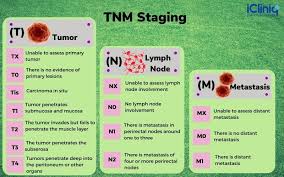
Cancer staging is a critical process in oncology that helps determine the extent of cancer spread within the body. It is essential for guiding treatment decisions, predicting outcomes, and facilitating communication
Read More
Testicular cancer is primarily treated through a combination of surgery, chemotherapy, radiation therapy, and surveillance, with the choice of treatment depending on the cancer type (seminoma or non-seminoma), stage, and individual
Read MorePlatinum-based chemotherapy (PBC) drugs, such as cisplatin, carboplatin, and oxaliplatin, are widely used in cancer treatment due to their ability to form DNA crosslinks that inhibit DNA replication and transcription, leading
Read More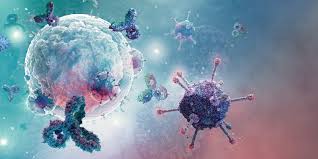
Immuno-oncology (I-O) is a field of cancer research and treatment focused on leveraging the body’s own immune system to recognize, target, and destroy cancer cells27. Unlike traditional therapies such as chemotherapy
Read More
Peptide receptor radionuclide therapy (PRRT) is a targeted cancer treatment that uses radiolabeled peptides to deliver therapeutic radiation directly to tumor cells. It is particularly effective for neuroendocrine tumors (NETs) that
Read More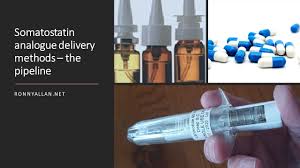
Somatostatin analogs (SSAs) are synthetic drugs designed to mimic the inhibitory effects of the natural hormone somatostatin. They are widely used in managing various endocrine disorders and tumors by suppressing hormone
Read More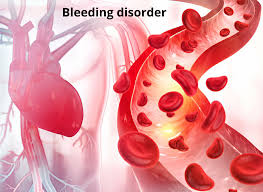
Bleeding Disorder (BD) are conditions where the body's blood clotting process is impaired, leading to excessive or prolonged bleeding. These disorders can be inherited or acquired and range from mild to
Read More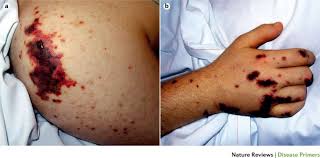
Coagulopathy, also known as a bleeding disorder, is a condition where the blood's ability to coagulate (form clots) is impaired. This can lead to excessive or prolonged bleeding after injury, surgery,
Read More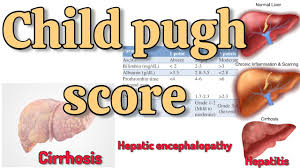
The Child-Pugh Classification (CPC), also known as the Child-Turcotte-Pugh (CTP) score, is a system used to assess the prognosis of chronic liver disease, primarily cirrhosis. It evaluates liver function based on
Read More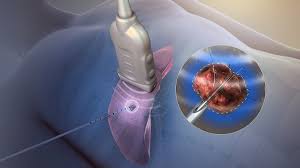
Radiofrequency ablation (RFA), also known as fulguration, is a minimally invasive medical procedure that uses heat generated by high-frequency alternating current (350–500 kHz) to destroy targeted tissues. It is widely used
Read MoreAt Dr. StemCellsThailand, we are dedicated to advancing the field of regenerative medicine through innovative cellular therapies and stem cell treatments. With over 20 years of experience, our expert team is committed to providing personalized care to patients from around the world, helping them achieve optimal health and vitality. We take pride in our ongoing research and development efforts, ensuring that our patients benefit from the latest advancements in stem cell technology. Our satisfied patients, who come from diverse backgrounds, testify to the transformative impact of our therapies on their lives, and we are here to support you on your journey to wellness.
| Mon - Fri: | 8:00 am - 7:00 pm |
| Saturday: | 9:00 am - 7:00 pm |
| Sunday: | 9:00 am - 7:00 pm |






Copyright 2025 DrStemCellsThailand. All Rights Reserved by Anti-Aging and Regenerative Medicine Center of Thailand