







Call Anytime

+66 98-828-1773

At Dr. StemCellsThailand, we are dedicated to advancing the field of regenerative medicine through innovative cellular therapies and stem cell treatments. With over 20 years of experience, our expert team is committed to providing personalized care to patients from around the world, helping them achieve optimal health and vitality. We take pride in our ongoing research and development efforts, ensuring that our patients benefit from the latest advancements in stem cell technology. Our satisfied patients, who come from diverse backgrounds, testify to the transformative impact of our therapies on their lives, and we are here to support you on your journey to wellness.

Visiting Hours

Gallery Posts

Author: admin

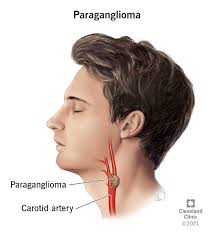
Extra-adrenal paraganglia (EAP) are neuroendocrine tissues derived from neural crest cells, forming part of the autonomic nervous system. They are distributed symmetrically from the skull base to the pelvic floor and include:

Extra-Adrenal Paraganglia (EAP)

Extra-adrenal paraganglia (EAP) are neuroendocrine tissues derived from neural crest cells, forming part of the autonomic nervous system. They are distributed symmetrically from the skull base to the pelvic floor and

Read More
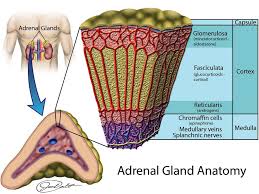

The adrenal medulla is the inner part of the adrenal gland, located at the center of each gland atop the kidneys. It is composed primarily of chromaffin cells, which are modified postganglionic sympathetic neurons derived from neural crest cells. These cells secrete catecholamine hormones—mainly epinephrine (adrenaline) and norepinephrine (noradrenaline)—directly into the bloodstream in response to stimulation by the sympathetic nervous system124.

Adrenal Medulla (AM)

The adrenal medulla is the inner part of the adrenal gland, located at the center of each gland atop the kidneys. It is composed primarily of chromaffin cells, which are modified

Read More
Prostatectomy is a surgical procedure to remove all or part of the prostate gland. It is commonly performed to treat prostate cancer or benign prostatic hyperplasia (BPH) causing urinary obstruction. The extent of removal depends on the condition being treated.

Prostatectomy (PTT)

Prostatectomy is a surgical procedure to remove all or part of the prostate gland. It is commonly performed to treat prostate cancer or benign prostatic hyperplasia (BPH) causing urinary obstruction. The

Read More
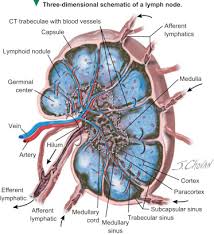
Lymph nodes are small, bean- or kidney-shaped organs, typically 1–2 cm in size, and are distributed throughout the body, with adults having approximately 800 nodes. They are most commonly located in the neck, axilla (armpits), thorax, abdomen, and groin, often at the convergence of major blood vessels25.

Lymph Nodes (LN)

Lymph nodes are small, bean- or kidney-shaped organs, typically 1–2 cm in size, and are distributed throughout the body, with adults having approximately 800 nodes. They are most commonly located in

Read More
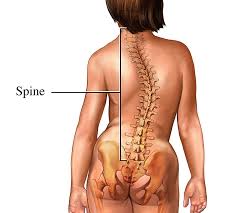
Scoliosis is a medical condition characterized by an abnormal sideways curvature and often a twisting (rotation) of the spine. The spine may curve into an “S” or “C” shape rather than maintaining a straight vertical line. It most commonly affects the thoracic (mid-back) and lumbar (lower back) regions.

Scoliosis

Scoliosis is a medical condition characterized by an abnormal sideways curvature and often a twisting (rotation) of the spine. The spine may curve into an “S” or “C” shape rather than

Read More
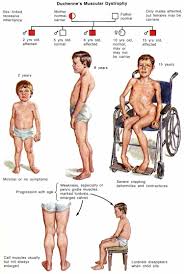
Duchenne muscular dystrophy (DMD) is a severe, progressive genetic disorder characterized by muscle degeneration and weakness. It primarily affects boys and is caused by mutations in the DMD gene on the X chromosome, leading to an absence or deficiency of dystrophin—a protein essential for maintaining muscle fiber integrity. Without dystrophin, muscle cells become fragile and break down over time.

Duchenne Muscular Dystrophy (DMD): Overview, Symptoms, Diagnosis, and Treatment

Duchenne muscular dystrophy (DMD) is a severe, progressive genetic disorder characterized by muscle degeneration and weakness. It primarily affects boys and is caused by mutations in the DMD gene on the

Read More
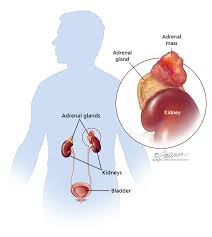
Adrenal tumors arise from the adrenal glands, which are located atop the kidneys and consist of two main parts: the outer cortex and the inner medulla. These tumors vary widely in origin, hormone production, malignancy potential, and clinical impact.

Adrenal Tumors

Adrenal tumors arise from the adrenal glands, which are located atop the kidneys and consist of two main parts: the outer cortex and the inner medulla. These tumors vary widely in

Read More
Anti-inflammatory medications, such as steroids and NSAIDs (nonsteroidal anti-inflammatory drugs), are commonly used in the management of pleural effusion, particularly when inflammation plays a significant role, such as in pleurisy or autoimmune-related effusions.

Anti-Inflammatory Medications (AIM)

Anti-inflammatory medications, such as steroids and NSAIDs (nonsteroidal anti-inflammatory drugs), are commonly used in the management of pleural effusion, particularly when inflammation plays a significant role, such as in pleurisy or

Read More
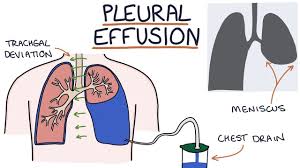
Pleural effusion is the abnormal accumulation of fluid in the pleural space—the thin cavity between the lungs and chest wall. Normally, a small amount of lubricating fluid exists here to facilitate lung movement during breathing. When excess fluid builds up, it can compress the lung, impairing breathing and causing symptoms.

Pleural Effusion (PE)

Pleural effusion is the abnormal accumulation of fluid in the pleural space—the thin cavity between the lungs and chest wall. Normally, a small amount of lubricating fluid exists here to facilitate

Read More
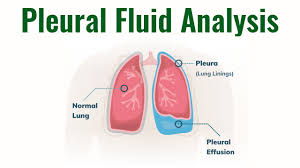
Pleural fluid analysis is a key diagnostic tool used to evaluate pleural effusions, especially to distinguish between benign and malignant causes. It involves examining the physical, chemical, cellular, and molecular characteristics of the fluid obtained via thoracentesis.

Pleural Fluid Analysis (PFA)

Pleural fluid analysis is a key diagnostic tool used to evaluate pleural effusions, especially to distinguish between benign and malignant causes. It involves examining the physical, chemical, cellular, and molecular characteristics

Read More